Лошите автоматични преводи ми помагат да преоткрия някои граматически и синтактични правила в английския, които съм забравила, или просто не съм „откроила“ за себе си досега. Бях забравила например, че редом до закона ПСД (подлог-сказуемо-допълнение) съществува и правилото за вметнатите изречения, при които глаголът отива накрая. Това е същото и в немски, впрочем.
Но да не влизам в ненужни детайли – не знам дали ви прави впечатление как почти всичко преведено напоследък звучи някак странно, непривично, не точно като на нашия език.
От известно време ме сърбят ръцете да попиша малко на тази тема, но днес вече не се сдържах. Имах рядък подтик, на който нямаше как да устоя, ако не му се отдам.
Ето го и него: „Разговорът им течал без усилие, хуморът им съвпадал като парченца пъзел и те споделяли тиха увереност, че нещо рядко е започнало.“ Това е краднато от https://www.facebook.com/groups/497807739081151/ „Занимателни и интересни Факти и… отвсякъде по нещо“ – те са съкровищница, човек може с тяхна помощ да напише учебник по превод, ръководство „как да не превеждаме“ само като редактира постовете им. Материалът е благодатен и изобилен.
Но да се върнем на цитата горе. Очевидната реакция, която рядкото нещо предизвиква у всеки нормален българин, е присмех, понеже нашето подсъзнание определено не е невинно. Предполагам, че не само аз съм оприличила „нещо рядко“ на едно конкертно рядко нещо. Няма да кажа, сещате се. Освен това обаче има и особено симптоматичен елемент, който със сигурност дразни възприятието и остава впечатление за нещо не съвсем както трябва. Малко са обаче хората, които ще се замислят, а още по-малко тези, които ще го определят.
Това е глаголът! Глаголите в българския език са голяма работа! Те са нещо много рядко, което трябва да опазим, понеже вече са особено застрашени. Не зная дали сте забелязали, но нашето прекрасно минало незапомнено време е на изчезване. Из всички филми събитията, случили се или много отдавна, или много далеч, с други думи, които аз не съм видял и запомнил, се превеждат с най-обикновено минало време. Той направи така, отиде там, уби го и си тръгна. Е, хубава работа, като знаеш какво е станало, като си бил тям и си видял всичко, което се подразбира от използваното време, защо изобщо разследвате? Нали така?
В българския си има л-та за тая работа! Бил съм се бил напил е нещо съвсем различно от „напих се“. Едното говори за безпаметни купони, компании и зевзешки разкази след това, а другото си е най-обикновен и скучен битов алкохолизъм. Моля ви се, бе преводачи и автомати, уважавайте концептуалната дълбочина на българските граматически времена! То е като с ползването на маймуница при изписването на някои имена, като Пътка например.
Освен великолепните ни глаголи с -л, които са си жива приказка, затова и съставят „преизказно“ наклонение, нашите глаголи, понеже носят много повече от чисто времева информация, обичат да са напред, да си стоят непосредствено до подлога и да си правят компания. Ние сме българи, глаголите не обичат да „кесят“ самотни в края на изречението, като някакви второстепенни вметнати събития, като в немския и английския. Сами вижте: „Разговорът им течал без усилие, хуморът им съвпадал като парченца пъзел и те споделяли тиха увереност, че нещо рядкое започнало.“ Спрямо „Разговорът им течал без усилие, хуморът им съвпадал като парченца пъзел и те споделяли тиха увереност, че е започнало нещо рядко.“ Не е ли по-така?
И това не е далеч само из ФБ. Отдавна си мисля да взема да кандидатствам за редактор на Viasat History, които гледам често, и които непрекъснато пращат бедните глаголи в задния двор на събитията, на края на изречението. Обаче сигурно нямат пари за редактор, иначе все щеше да му светне на някого, че глаголите носят и историческа информация, която е редно да се поднесе в началото, като въведение към допълнителната, носена от допълненията.
Viasat History например ме убеди в нещо, което твърди психолингвистиката и на което не вярвах. За английския говорител времето е по-важно от мястото, за испанския е обратното. Ами наистина е така! Всяко изречение започва с пояснение за време, мястото отива накрая, заедно с глагола, в началото стои само спомагателния, който не казва нищо. Наистина е така и за българския, който също като испанския в изречение с много обстоятелствени подточки ще изведе напред първо мястото, а после времето. Обещавам да дам изобилни примери, в момента обаче не гледам телевизия, а цитатите някак не изникват.
Изведнъж си дадох сметка и защо родният език на криминалетата е английски! Ами тази своеобразна рамка, в която част от главната информация остава накрая, е рог на изобилието за съспенси, мистерии и всякакви загадки! За нашего брата обаче всичко стои точно наопаки и нещата стават като в оня виц защо бакшишите са задължително в Англия. Ако не го знаете, ето го накратко: Отива лорд Джон на театър, но закъснява. Като стигнал, понеже много бързал, скочил от таксито и забравил да даде на шофьора бакшиш. Шофьорът го повикал, лордът решил, че е забравил нещо и се обърнал и шофьорът му казал кой е убиецът. Така си отмъстил.
Същото прави и автоматичния преводач с българския език. Вместо да ни остави развръзката за накрая, той ни я поднася най-напред в изречението. Ето и пример: „А след това 2-ра гвардейска армия излиза“. Не стига, че в началото всеки нормален българин ще си каже „чакай сега, каква армия, какви 5 лева, какви 5 евро“, ами и целият „съспенс“ отива по дяволите. Ако беше както трябва, първо трябваше някой да излезе и чак след това да видим кой е. То дори и в театъра на сцената е така. „А след това излиза 2-ра гвардейска армия“.
Абе, интелект изкуствен, не си ли чел „Опълченците на Шипка“? Ами дядо Вазов ни подготвя цели 2 страници за „изведнъж Радецки пристига със гръм“. Ако го беше писал на английски, ИИ щеше да ни го сервира с гръм и Радецки най-отпред, а после да дойдат трите деня и т.н. Българският език е логичен, причинно-следствен, няма чак толкова много изключения, които да потвърждават правилото, като в английския. Едно изречение започва с вече позната информация, а новата идва накрая, след познатата. То е като с поздравите– първо почваш от познатите, после тръгваш към непознатите.
Не ни разваляйте пейзажа и насладата, да ползвам и аз тази любима на новия български дума, от новото! Оставете ни да си стигнем „органично“ и плавно до него, да си минем по нормалния път на очакване, догадки, потвърждение… А така целият кеф отива на кино, няма мегдан да се забавляваме (пак любима нова дума), сервирате ни първо десерта и ни заминава удоволствието.
Ами не така, ако не знаете, питайте, все още има кого. Все пак достатъчно бакшиши сме дали под всякаква форма, че да ни казвате кой е убиецът, преди още да сме влезли в театъра!
Битката е изгубена. Грабвайте телата!
Автоматичните преводачи: приятели или врагове?
Изгубих надежда. Изкуственият интелект ще победи дори естествената тъпота. Това е толкова сигурно, колкото факта, че великаните на Дон Кихот са мелници. Не само защото в безграничното интернет пространство всеки се изживява като всичко и публикува каквото му харесва.
Всъщност точно заради това — всеки ден ни заливат всякакви текстове, преведени автоматично, заедно с всякакви текстове, написани автоматично. Ясно е, че няма никаква надежда и смисъл да се борим с това. Новото поколение е израснало с клипчета и картинки, в най-добрия случай има 3 по български, смята, че „й“ е окончание за множествено число, половината българи живеят в чужбина и и т.н. и т.н. Как да пише, като дори не може да чете?!
Пишем като автоматични преводачи
Изкуственият интелект е доста хитро изобретение на нечий естествен ум. Предлагаш на вече и без това отучените от писане и четене хора модел, благодарение на който и те могат да блеснат като пишещи и си готов! Научил си ги и да мислят изкуствено и автоматично. Превърнал си едното в другото. На принципа на най-малкото съпротивление и пестенето на енергия, казано иначе благодарение на присъщия на всички нас мързел, напоследък навсякъде ври и кипи от премъдрости, философски прозрения, житейски съвети, дълбокомислени притчи и всякакви други откровени глупости, които дори изобщо не са само преводни. Те вече си се пишат изначално от ИИ.
И понеже са навсякъде, хората приемат „езиковия им модел“ (извинете за сложния израз, без да искам) за стандарт. Днес дори говорят така, все едно четат написан от ИИ текст. Не сте ли забелязали?
Автоматичните преводачи, които бяха първопроходниците на всякакви автоматични писания, са всъщност нещо много полезно. Когато човек превежда дълги текстове е много удобно да ги ползва, защото те „печатат“ вместо него. Разбира се, след това човекът трябва да прочете, да поправи, да подобри, да редактира. Защото в главата на човека са заложени всички особености на неговия роден език, характерните начини на изразяване, типичните граматични конструкции, стандартният строеж на изречението и т.н. Тези неща не са заложени в машините. Т.е. те са заложени, но за „базовия“ език на програмиране, т.е. английски. За нашият „малък“ език няма и да бъдат скоро заложени, защото машините са така проектирани, че да се „учат“ от нас.
Чукча – не читатель, чукча – писатель
Тук се крие и същността на проблема. Просто е: машините не се учат от нас, понеже ние се учим от тях. Езикът в основата на всяка една пишеща машина е английският, поради тази причина тя превежда и пише по модела на този език. Ако този, който я ползва, внася редакции и промени в текста, тя, или поне по-умните, „запомнят“ и „поправят“ грешките си, променят езиковия модел и правила (това е доста по-трудно) и със сигурност променят превода на определени думи. С тях е най-лесно. Просто заменят „стартирам“ със „започвам“ и готово.
Да, но някой трябва да им каже. Обаче няма кой. Чукча не е читател, чукча е писател. Този, който е решил да блесне с някоя велика ню ейдж притча с дълбока философска поука няма време за четене. Той си пуска машинката да му я преведе, понеже най-вероятно и той самият въобще не я разбира, след което я плясва на стената и започват да се сипят лайкове, ах, ох, въй, споделяния и … ставаме инфлуенсъри. Вече даже се плаща за тая работа. Какво тук значи някаква си дума, или някаква си граматическа конструкция?! Какво тук значи някакъв си език?! Важното е, че вече всички разбираме и превеждаме всичко, как няма значение.
„Реч на мама и на татка“
Така, пост след пост, бедният език „на мама и на татка“ постепенно се огъва под натиска на машинния такъв и крее и линее. Ако се заслушате в начина, по който се говори по телевизията да речем, ще чуете как вече никой не замества пълните форми на местоименията, а всичко е моето, твоето, тяхното, без значение, че ще се повтори 10 пъти в едно изречение.
„Докато не е“ изчезнал съвсем езикът ни, послушайте, „преди да“ е станало късно и формата, с която започнах изречението, не се е превърнала в архаизъм. Всичко е вече „преди да“. „Докато не“ е аут. Аут са всички прекрасни, очарователни отрицателни конструкции на езика ни, така добре изразяващи българския опак характер. Имаме бегла идея за това, въпреки че „нямаме никаква“ представа. Всякакви типично английски конструкции, няма да ги изброявам, няма смисъл, се ползват буквално преведени и без никаква редакция ежедневно от високопоставени политици, журналисти и прочее „примери за подражание“.
Видяла жабата, че подковават вола…
Примерът се подема и също като жабите вдигаме крак, като видим, че подковават коня. Все едно сме нация от няколко милиона папагали. Възпроизвеждане, повторение до втръсване, едно и също, едно и също, едно и също. Клише до шаблона, мила моя майно льо.
Аз винаги се чудя защо, тъй като в официалния портал на ЕС например, 99% от преводите са на съвършено професионално ниво и на прекрасен български език. Колегите се стараят да следват един от основополагащите принципи на ЕС – „единни в многообразието“ и да „съхраняват разнообразието на езиците“. Определено там българският език е български, а не някакъв англо-есперантски. Значи журналисти и политици просто си „гепват“ някакви развявани като байрак ключови думи и изрази, заглавия и т.н., най-вероятно от някой англоезичен източник, превеждат си ги буквално, блесват с купешки фрази „на телевизора“, след което те влизат в устата на средностатистическия българин и стават стандарт. Да добавя отново, че източниците определено не са на български. То кой ще се занимава с четене, няма време.
ИИ не се учи от нас, ние се учим от него
Съвършено ясно е вече че, българският ИИ не се учи от нас, а ние се учим от него. Дори ни и харесва, комай. Вече навсякъде чувам „наслаждавам се“, „принадлежа тук“, „адресирам проблем“, и т.н. и т.н. И това е само на повърхността, това са само думи, а под тях са всички езикови средства. Ако се заслушате, ще чуете, че „миналото незапомнено“ постепенно изчезва и се ползва най-обикновено минало време—говоря за времето „на л“, което показва, че говорещия не е биЛ свидетел на дадено събитие. Ще чуете, как много често изреченията започват с „обстоятелствено пояснение за време“, т.е. времето на дадено събитие, а не със самото събитие. Англичаните обичат така, „в 5 часа пият чай“. При тях по принцип времето стои на първо място в изречението. „Вчера направих еди какво си, днес еди що-си“ и т.н. В българския, освен ако не е заглавие или продължение на вече започната тема, т.е. в контекст, това е странно. Не може първото ти изречение в разказ за нещо да е „Преди 50 години беше написана книгата“. Някак си не звучи както трябва на български, не мислите ли? Но ако слушате като мен, ще чуете, че все по-често „се случват“ такива изречения…
И ще завърша с най-новия ми любимец. Знам, че съм на „грешния“ адрес и говоря на „грешните хора“. Исках да кажа, че съм сбъркала адреса и съм объркала хората, не се насочвам към правилните хора. Но вече всичко живо е „грешно“ забелязали ли сте? Естествено, че това е буквален превод на англоезичните конструкции, който е станал стандарт и за нас. И по новините дори е нормално да се говори за „грешни“ неща и т.н. Никой не обърква нищо, не действа неправилно. Всеки е направил грешното нещо или е отишъл при грешните хора, взел е „грешни“ решения…
Тук мога да изнеса цяла лекция за това как езикът определя съзнанието и светогледа ни, но няма, защото е грешната тема. Никой не го интересува, това просто не е важно. Дори и за патриотичните организации, които също говорят така.
Надежда всяка тука оставете
Тъжно, „родна реч, омайна, сладка, що (вече не) звучи навред край мен“… но факт. Безнадеждно е. Грешната кауза съм си избрала. Обаче ще си мрънкам. Ей така, за собствено успокоение. И за да може след време езиковите археолози да видят (евентуално), че е имало поне един Мунчо като мен, поне един, за който да кажат „тоя луд беше единственият човек, който се осмели да протестира.“
Продължаваме с част 3. В нея няма да се спирам на типове грешки и грешни конструкции, а ще започна с каталога, който от известно време си водя. Той обещава да е доста обемен, което не е радостен знак, бих се радвала да е кратък и с изключения. За съжаление обаче лошият, а на моменти направо безобразният превод, е правило, поради което моят списък на срама набъбва. Направила съм си една тетрадка и гледам тя да е винаги до мен заедно с нещо за писане, започна ли да гледам филм. Не смогвам да записвам, преводаческите бисери се леят, един след друг. Явно наистина ИИ е станал основният преводач за повечето обработващи филми, а редакторите или са изключени от уравнението, или и те толкова знаят… Гледах наскоро един сериал с Дейвид Духовни, Californication, в който той, с риск да се раздели с приятелката си, както впрочем стана, ѝ направи остра забележка, че „спомага за бавното убиване на английския език“. Не знам, ако в България започнем подобна инициатива сигурно почти няма да останат целокупни двойки. Макар че не е много сигурно, понеже поне единият трябва да има усет към езика, което напоследък е доста рядък феномен…
Списъкът по-долу е чисто и просто по хронология на записване, без някаква друга обединяваща логика.
„Имаш ли ключа?“ – попита веднъж някой в някакъв сериал, което веднага ме докара до неконтролируем пристъп на смях, защото това е една от основните забележки, които почти всеки ден правя на децата си. Те, също като пишман преводача на горното, тъй като живеят от 7 години в Германия, понякога без да се усетят просто превеждат буквално чуждата конструкция и … си спечелват бърз отстрел и подреждане в две редици от моя страна. Да, обаче те са още деца, не са учили в университет и не се водят професионалисти в езиковите области. А хората, които правят преводи по национални телевизии, би следвало да са такива. И за тях е непростимо да ползват горните буквализми. Ако вече толкова сте им свикнали, че дори не се сещате как се казва на български, нашият израз е „в теб ли е ключът“. Няма да се изненадам, ако някога чуя и друга любима грешка на моите деца „господина го имаме по еди-какво си.“ Вместо „той ни е по…“
„Време е да ги науча на урок“ – откакто управлението на проекти стана модерно, станаха модерни и „научените уроци“, които напълно детронираха добрите стари поуки от басни, приказки, случки и т.н. Т.е. „наученият урок“ е всъщност „изведена поука“, или просто „поука“, когато си я извеждам сам, а ако някой друг трябва да ме докара до там, то тогава той „ми дава урок“. Ако ми е учител, може и да ме научи на нещо, но в повечето случаи тези, дето дават урок, нямат благородни намерения относно нашата образованост.
Продължавам с реплика от „Как да си дресираш дракон“ — „прекарах време с майка си“. Не знам за вас, обаче на мен това ми звучи все едно е превеждал джипиеса: „подготовка за завой след кратко време“. Когато прекарвам времето си с някого, мога да „прекарам известно време“, или „да бъда за малко“, но само така „да прекарам време със“ ми е като висящо кафе. Едно такова нито като хората дадено, нито като хората взето… А въпросното „след кратко време“… — ако сте учили английски веднага ще усетите буквализма. На български език се казва „след малко“, или „скоро“. Краткото и дългото време е също толкова, как да кажа, подвеждащо, колкото „вземете следващия завой“. Докато му свикна на този джипиес, че ми казва да завия ей сега веднага, а не на „следващия“ завой, няма да ви казвам що километри залудо навъртях, за да се връщам обратно. Този, дето е правил преводите на част от европейските автомобилни компании, явно никога не се е возил в претъпкан автобус и не е чувал въпроса „сега ли ще слизате или на следващата спирка?“. Точно това са спецификите на езика, солта и пипера му. Ако на английски такъв израз означава нещо, което следва непосредствено, то на български е нещо, което идва след това, дето е сега. Ако не сте ме разбирали, ще го обясня пак не утре, а на следващия ден.
Следващата фраза ми звучи толкова идиотски, че ако не я бях написала със собствените си ръце, което значи, че съм я чула, нямаше да повярвам, че някой може да изплющи това по национална телевизия. По „Нова“, мисля. За съжаление съм пропуснала да запиша името на филма. „Благодаря ви от дъното на сърцето, си че направихте толкова вкусна храна!“ Ами то нищо не му е таман на това. Нашите сърца са бездънни на български, дъно имат само душите ни. Това сигурно защото сме си скептици, зевзеци и добряци. Не съм чувала сърдечността на българина да има дъно. Виж обаче душата… Интересна тема за философско-теологичен размисъл, но ние казваме „от дън душа“, което всъщност пак не е „дъно“, а по скоро е подобно на „вдън гори тилилейски“ — нещо далечно, дълбоко и също толкова бездънно. Тоест в случая би следвало благодарността да започне с „благодаря Ви от дън душа“, което звучи ужасно тъпо, поради което е най-добре да се ползва простичкото „от цялото си сърце“, или просто „сърдечно благодаря“, а остатъка за правенето и храната… не знам, не знам. Защо, за Бога не ползвахте най-нормалния израз в подобни случаи: „благодаря от цялото си сърце за вкусната храна“, то е ясно кой я е направил, пък и не е това важното.
Хора, телевизии, обработващи програми и преводачи, има изрази които са чисто и просто ежедневни, възприети и широко употребявани. Тях трябва да използвате при превод, не да превеждате буквално английските такива, ползвани от хора с друга култура, възпитание, разбирания, климат, мъгли, дъждове и прочее острови. И фактът, че можете да ги преведете 1 към 1 не означава, че знаете прекрасно английски, а че хал хабер си нямате от български. Което е срамота.
Напоследък ми се набиват на уши едни ню ейдж заявления, едни признания, едни осъзнавания! Хората признават щяло и не щяло без борба и бой, даже без никой да ги моли, признават, примерно, че токът е поскъпнал, макар че що за признание е това не знам. Все едно да признаеш, че е дошла есента, когато ти се наложи да си слагаш яке сутрин. Схващате ли ми намека? Ние такива неща, макар англоговорещите да ползват съответната дума, не ги точно признаваме. Ние примерно ги потвърждаваме, или ги установяваме, или каквото и да е, но нещо по-неутрално, нелично, неангажирано и без такива дълбоки сърдечни последствия като признанието. Защото а си признал на баща си, че си му взел 5 лв. от портмонето, а си изял един шамар, колкото и нелиберално да е това. Признанията са сериозна работа и не се правят току-тъй под път и над път.
И в същия ред на мисли идва следващия почти кантиански глагол, който ме изпълва с трансцедентно почитание. Осъзнах. Веднъж едва не си изсипах уискито на пода, когато чух в някакъв филм „Осъзнах, че съм си забравил портмонето!“. Стига бе! Сериозно ли? Как успя да го осъзнаеш, аджеба, какъв дълъг мисловен процес трябва да е стоял зад това просветление… Колко ли пари трябва да е имало в това портмоне… Ехеее! Изобщо мога да приема безпрекословно подобен умствен катарзис, защото осъзнаването е горе-долу това, само ако ми го изпее Папи Ханс! И не си правя майтап, той ги разбира тези неща: „Осъзнах безсмислеността на своето съществуване и илюзорността на най-дълбоките си мечти и надежди… Но всичко е точно“. Това си е наистина осъзнаване. Обаче за „портмонето“… Съветвам ви следващия път като превеждате нещо подобно да ползвате например „сетих се, че съм забравил“, или апотеозното „въй, забравил съм си! “, без такива дълбокомислени глаголи, защото, както пише в учебниците по реторика, пък и по превод, сменяте стилистичния регистър и става нещо като зелева супа с канела и захар.
Понякога е и много забавно да слушаш съвременно преводаческо изкуство. Върви някакво крими, май по Агата Кристи беше, пак по някоя от националните телевизии. Разплита се заплетен криминален случай, напрежението се реже с нож и изведнъж „Познаваш ли това копче?“. Хм. То вярно, че сега половите идентичности са безкраен брой, но чак пък някой да се отъждествява с копче не съм чувала. Понеже на български език „познаваш ли“ някак си предполага човек, или поне наука, книга, философия, но толкова ниско-делнично предметно нещо като копче е прекалено. Как мога да познавам копче, ами и да го познавам, няма да си призная, ще ме е срам! Ще ме говорят после, че се познавам с разни копчета и иди обяснявай… Виж, ако просто бяха се напънали мъничко да се сетят, че се казва „познато ли ти е това копче“ или „виждал ли си го“ нещата нямаше да бъдат комични. С глаголите трябва много да се внимава, защото те са натоварени с много допълнителна, добавена информация. Носят със себе си много подхилквания, смигвания и т.н. и трябва да се пипа с … точния речник.
Също толкова важно е да се внимава и с времената и наклоненията. Например в нашия език има едно много екзотично „преизказно наклонение“, което служи да покаже на слушащия или четящия, че ти не си свидетел. Без допълнителна информация, чисто граматически. Естествено то се използва по подразбиране винаги, когато разказваш за нещо, което не си наблюдавал лично. И когато превеждащия не знае това или просто превеждащия е ИИ и не може да го знае, стават следните комично-абсурдни твърдения:
„След смъртта на мама татко се срина, започна да прави еди какво си докато не дойде еди-коя-си…“ „Бил си на няколко месеца?“
Ха, сега де! Как така говориш в минало свършено, все едно помниш, като си нямал и годинка? „После той се промени – продължава героят – щом станах на 2 години вече…“ Как така някой говори в минало свършено, т.е. помни и знае, за неща, станали когато е бил бебе на месеци? Или е вундеркинд, какъвто сюжета не показва да е, или ни мамят за когнитивните способности на пеленачетата, или просто преводът е некадърен! Искаме си парите обратно, върнете ни езика и стига сте се подигравали с нас!
И изобщо, уважаеми, за да си преводач или трябва да си попрочел това-онова, или ако не знаеш, което е човешко, да търсиш, проверяваш и да се просвещаваш, за да не се излагаш са абсурди като „Либия, чийто символ е кедър“- филм по Хистори чанъл за Ливан, разбира се, но преводачът явно просто не е знаел, че Ливан е Lebanon и вместо да провери, е решил а кара на тука има, тука нема. Може пък и да е Либия, що не! Или другият позор за всеки учил литература, която е задължителна за професионалните преводачи – преводът на ключовия роман на Олдъс Хъксли „Прекрасният нов свят“ (както е добило гражданственост на български от над 30 години) като „Смел нов свят“ – както е заглавите на романа буквално на английски. Да, но не може така! Не става само с гугъл, трябва и акъл! И четене на книжки!
Продължавам нататък с 2-ра част от упътванията как да (не) превеждаме като ИИ. За всички, които си мислят, че преводът е лесна работа, за която се изисква да знаеш чудесно езика, от който превеждаш, мога да дам един от любимите си примери, шестващи надлъж и шир из ФБ: „Щом Афродита, богинята на красотата е имала стомашни гънки, значи можеш и ти!“. За стомашните гънки не съм сигурна, обаче е задължително да имаш мозъчни такива, ако тръгнеш да разпространяваш многоезичните си познания из необятния виртуал.
Не е задължително да си учил „Теория и практика на превода“, но трябва поне да си подочул, че всеки отделен език си има свои начини, по които открива и изразява света. Те му придават индивидуална физиономия, също както гените определят външния ни вид. По различен начин възприемаме отделните събития, явления, важността, която придаваме на определени понятия е различна, изобщо също както типологичните характеристики, определящи расите и народностите и езиците ни са различни. Изкуствения интелект, който според братовчед ми — ИТ корифей — е засега само изкуствен и все още твърде далеч от интелигентността, е пак според него просто една доста разширена и богата търсачка. В различните преводачески софтуери са заложени голям обем речникови единици, но в повечето от тях, особено вградените в Гугъл и социалните медии, не са заложени „разговорници“. В тях няма набор от идиоматични изрази, с тяхното съответствие на целевия език, не са заложени устойчиви словосъчетания и т.н. Дори професионалните преводачески програми, съдържащи далеч по-богата база данни, все още нямат изчерпателни фразеологични речници. И слава Богу, иначе ще умрем от глад.
Давам пример със сайта на голяма международна компания, която си беше „поръчала“ и заплатила автоматичен превод чрез една от най-добрите програми. Почти на всяка страница имаше толкова смехотворни изрази, че просто бе меко казано непрофесионално. Програмката упорито твърдеше например, че стените се измазват с цветя в саксия, вместо с мазилка, наричаше какаото тор и т.н. Добре че фирмата бе предвидила и редактиране, просто държеше на реномето си. Да не говорим, че преводът е изкуство и изисква същото съпреживяване, усещане, интуитивно разбиране „между редовете“, като всеки един творчески акт на писане.
Масовата употреба без никаква „редакторска“ намеса от страна на говорещите майчиния си език оказва дълготрайно и за съжаление дълговременно влияние върху езика. Тя е „бомба със закъснител“, убива езици бавно, методично и неизбежно. Моята собствена дъщеря ми каза, че изразът „докато не“ ѝ звучал много изкуствено и според нея по-правилният бил „преди да“… Не зная например дали сте забелязали, но напоследък никой не влиза „в кожата на другия“, всеки иска да влезе в „обувките“ му. Знаещите английски, но незнаещи български са виновни са това идиоматично изместване, да не кажа изчезване. Едва ли някой се е замисля защо на английски говорим за обувки, а на български – за кожа. Обяснявам – обущарството е бил добър занаят, на почит в средните векове и по-нататък. Той е бил особено разпространен в Западна Европа, което е видно дори и фамилиите – пълно е с Шумахер, Шумейкър, Буутс,. Буутман и поне още 10 имена, всяко от които е свързано с обущарството. Това са едни от най-разпространените имена в Германия да речем. Има и толкова приказки и митове на тема обувки! Те са били скъпа и винаги индивидуално приготвяна стока, която принципно по-бедното население не е притежавало и всичко това е намерило израз в идиома.
В България обаче историческата картина е различна. Тук този занаят не е чак толкова разпространен, или най-малкото се е разпространил по-късно, освен това около средновековието българският народ не е бил така беден колкото хората из Европата и почти всички са ходели обути. Вярно, с цървули, но все пак обути. Затова при нас няма много изрази, свързани с обувки. Може би един от малкото, които имаме е „обущарят ходи бос“, което за вас лъжа, за мен истина, чух в един филм по Диема по следния начин: „Търговецът на обувки никога не носи обувки.“ А що се отнася да влизането в обувките, неговото значение се предава с „да влезеш в кожата“ на някого, което от своя страна има много по-дълбоко значение, предава смисъла си на почти херменевтично ниво. Да разбереш някого дотолкова, все едно си в неговата кожа. Аз намирам това за много красиво и мъдро и дълбоко ще съжалявам, ако то изчезне. Впрочем всяко устойчиво словосъчетание се е зародило на базата на някакъв исторически опит, нрави, традиционно поведение. Изкушените от филологията знаят, че идиомите са свойствени за всеки език и не могат да се превеждат буквално на други езици. ИИ обаче не!
Преди да напиша „ще съжалявам“ бях на път да напиша „бих съжалявала“. Дори аз вече съм се омагьосала от непрекъснато натрапваните английски конструкции. Конюктивите, кондиционелът, или казано на български условното наклонение, са много характерни за германските езици. Там те предават бъдещи събития, колебания, невъзможност и т.н. Използват се ежедневно. За нас обаче, особено т.нар. трети тип, показващ евентуалност, не е характерен. Не знам дали защото не е прието да изразяваме колебанията си на глас, или защото имаме доволно много граматически времена и наклонения, условното не е много разпространено. В един крими сериал, който върви по националните телевизии, заподозрените без алиби непрекъснато се опитват да се оправдават с „как бих могъл да го направя“. На мен това ми звучи неестествено. Има елемент на поетичност, на мисловна задълбоченост, което веднага пренася разговора в друг стилистичен регистър. При всички случаи няма характер на нормално, разговорно словосъчетание. Тук бихме (условност без -л суфикс е по-характерна) казали „как мога да го направя“ или просто „как да го направя“, или най-вече „няма как да го направя“.
Ето и нещо много типично за българския език, което е и типично за народопсихологията ни – отрицанието. Нашият език е пълен с форми на положително отрицание, отрицателна положителност и какво ли още не. Формите с „не“, означаващи някакъв вид условност или възможност са нещо като нашата форма на конюктивите. Отново ще дам примера с „докато не“. За нас е твърде обичайно и двойното отрицание, което пък книжовният английски не търпи. Там езикът се подчинява на формално-логически правила, което има корените си някъде около просвещението. Дали защото при нас то е дошло по-късно, или защото ние обичаме да сме наопаки, за нас „да, да“, което значи „не“, и „а, не, бе“, което значи „да“, както и всякакви двойни подобни са напълно нормални. Затова няма да спра, докато не съм сигурна, че това няма да се запази! Тук даже станаха 3. Ако горното беше написано на английски, преводът му със сигурност щеше да бъде нещо като „няма да спра, освен ако желаете нещо друго“, понеже за автоматичния преводач е съвършено непонятно как е възможно да не спра, освен ако „не пожелаете“. Липсващото НЕ обаче спъва българския читател, така както би го спънало и „Аз нямам някакви пари“. Прочетохте като „никакви“, нали? Да, ние сме такива. Освен ако не ни претопят. Но би било жалко. Ох, ще бъде жалко. Наистина ще бъде!
По същия начин „мога да разбера“ или „мога да видя“, както и повечето глаголни конструкции с мога, свързани с нещо умозрително или сетивно, не са правилни. Ние казваме просто „разбирам“, „виждам“ и т.н. На английски моженето е модална конструкция за подсилване на ефекта. Когато някой българин превежда нещо на английски обикновено никога не добавя „мога“, макар и това да е силно препоръчително там, просто защото е особено нетипично за българския. Ние просто знаем и край! Какво мога или не мога си е моя работа и ако трябва да те накарам да видиш „аз мога ли или не мога“, значи работата не върви на добре. Като сме тръгнали с не-тата да продължим с тях. Напоследък из всички трилъри се чува предупредително „стой долу“, „стой където си“ и т.н. Ако не гледаш филма, а само четеш субтитри или чуеш откъслечна реплика, сигурно ще си помислиш, че някой е в мазето и не трябва да се качва горе по някаква причина. Но дори и в този случай звучи тъпо. Навремето преводачите от плът и кръв превеждаха подобни предупреждения като „на земята“, „по очи“, „лягай на пода“ или нещо подобно. Ако си надигнал глава и терористът ти се кара, би следвало да ти каже „не ставай!“ или „не се надигай“ – отново с любимото за българите „не“. Никога обаче стой долу, защото „долу“ в повечето случаи означава нещо под краката ми, долен етаж и т.н. Тук имаме и безбройни забранителни знаци, започващи с „не“, които на други езици са предадени без отрицанието. Но ние разбираме „не“-тата по-ясно.
Веднъж в един филм някой беше стъпил върху мина или нещо подобно. Напрежението можеше да се реже с нож, а аз умирах от смях, защото преводът беше „стой където си“. Що за глупост, откъде накъде ще стоя където съм, като там има мина и ще гръмне! На български подобен превод не изразява заплаха или забрана, а е просто обикновено изречение. Вярно повелително, но подобно нещо бихме казали ако търсим някого с гугъл навигация, та да не си смени местоположението и да не го открием. Какъв е смисълът иначе някой да стои където е?! Ами то е естествено, разбираемо, повече от ясно. Българският език почти никога не прибягва до подобни очевидности. Или просто ги пропуска и предава съществената информация, както в случая с мога, или ги изразява по друг начин. В този конкретен случай примерно с „не мърдай от там“. Същото бихме казали, ако закъсняваме за среща, та да сме сигурни, че като стигнем най-сетне няма да е пропаднало всичко. Само мога да си представя сцена, в която майка забранява на разпасания си син да ходи на купон. Има един такъв израз „stay put“ и как пишман преводачите бодро заявяват: „стой влязъл“! Започвам да си мисля за немскоезична видеотечна продукция за възрастни … Дотам може да ни докара преводаческото безсилие. Вместо едно невинно „никъде няма да ходиш“ или „няма да излизаш“. Пак не, виждате ли?
Откакто се занимавам с превод забелязвам, че българският език е в безкрайно много случаи диаметрално противоположен на английския, почти колкото северозапад и югоизток. Също толкова на другия край на езиковия свят ми звучи и станалото свръх популярно напоследък „говори с мен“. Когато видя някой, който казва на подпухнало от реване момиче „говори с мен“ винаги ми иде да го питам „що пък с теб да говори, не може ли с някой друг“? Какво изобщо означава говори с мен? Ако в цялата къща си само ти, единственият начин да не говоря с теб е ако има биполярно разстройство и говоря само със себе си. Говори с мен може да ми каже и заместник шефа, ако искам отпуска, а шефът го няма. И понеже него го няма, за да не останеш без отпуска „говори с мен“. Или ако съм сгафил тийнеиджър и гаджето не иска да ме чува, а аз искам да обясня. Тогава може сестра/майка/баща/приятел да ми каже да говоря с нея/него по понятни причини. Но ако обаче съм на ръба на самоубийството или от пет дни не съм спряла да плача, някой, който се притеснява за мен може да ме прегърне и да каже: „кажи ми какво има“, „казвай“ или само „какво има“, „да поговорим“. Ако пък съм сърдита, цупя се от една седмица и не съм обелила дума, тогава може да ми кажат „кажи ми нещо“, „кажи нещо“, „говори“ или нещо от този род. Всичко зависи от контекста разбира се, но без да се добавят малоумните очевидности на нечие присъствие. Това нашият език не го прави!
Не мога да се сдържа да не спомена и друго смело навлизащо от лошите филмови преводи в езика ни словосъчетание — „направи ми услуга“. Мама беше директор на училище. Редовно я молеха за услуги от типа на помогне за прием на дете в училище, да помогне при избор на учител или за записване при определен учител и т.н. Все сериозни неща. Предполагам, че всеки един българоговорящ под „услуга“ разбира най-малкото събиране на дружинка за колене на прасе, бране на лозе, пренасяне на гардероб или нещо такова. Услуга! Или поне някой да ми услужи за ден с колата си. Що за услуга е обаче да помолиш някого да затвори врата, да вдигне телефона, да ти донесе вода и т.н. дребно невремеемки битовизми?! Сериозно ли човек с българско самосъзнание може да каже „направи ми услуга и се разкарай“? Абсурд! По поне 10 други начина ще го кажем, най-вече нецензурни, но на никого и през ум няма да му мине нещо, свързано с услуги. Сетихте ли се вече как казваме на български? Много просто — „ако обичаш“. Ако обичаш, затвори вратата. Ако обичаш, донеси ми вода. Пак съдържа в себе си елемента на доброволна помощ, но за дребни, кратки, делнични неща. Никой обаче не е казал на новите преводачи, че тук така се казва. А те очевидно живият в безнационалния виртуал, не в България. Или поне не чуват какво си говорят хората по улиците и вкъщи.
По абсолютно същия начин излизам и от обувките, и от кожата си, когато чуя „защо не“ и „какво за нея/за него“? Когато бях студентка, повечето бяхме в обратната позиция. Винаги ни отбелязваха грешки в „защо“ и „какво“, защото не можехме да свикнем, че в английски трябва да се повтори и потрети видното. Ние казваме просто „защо“, ако някой ни каже, че няма да свърши дадена работа. Въпросът защо е достатъчно обемен в съзнанието на всеки един българин, та да съдържа и да, и не, и може би, и не знам. Уточнения като „защо не“, „защо да“, „защо нали“, „защо може би“ и т.н. са толкова ненужни, че по добре да ги няма. Те издават само незнание на езика. Същото е и когато ми кажат „имам да ти казвам нещо за мъжа ти“. Никога, ама никога не бих казала „какво за него?“. Директно ще изстрелям едно реторично „какво?“ или „слушам“ или „да?“ и т.н. Като чуя „какво за“ се сещам как в гимназията си правихме майтап с разказващите за първа среща или нещо от този род с въпроси „и той квооо?“ „и тя квооо“, обаче в случая се предполагаше, че има някаква пикантна история, която явно ни се спестява. А става ли дума просто за клюки, информация, доноси и всичко свързано с „не съм от тях как` Сийке“, то едно най обикновено кратко въпросително изречение, което на български език се състои от една въпросителна дума, или просто един въпросителен поглед, са напълно достатъчни. Дали е за нея, за него, за тях или за тоя, който клати гората, предстои да се разбере.
И тъй както каза Магнум веднъж в сериала си по Нова „практиката води до съвършенство“, а аз съм наясно, че „повторението е майка на знанието“, преводът на този израз на български всъщност, възнамерявам да спра дотук засега. До следващо включване „след кратко време“. Ох, бях в колата, слушах навигацията. До скоро! Tags: ИИ, автоматичен превод, доб
Започвам с примери за лош превод. Първо най-дребното. Прави ли ви впечатление, че напоследък по разни ТВ предавания, а и из всякакви публични изказвания, все повече се ползват конструкции с подлог, пълните форми на местоименията и т.н. „Аз правя това за моите гости.“ „Когато аз влязох в нейната стая, видях, че тя е сложила нейната рокля“ и т.н. На мен ми звучи тромаво, на вас? Нашият език, благодарение на морфологията си, дава специална свобода да не ползваме задължително подлог, въвел е съкратени форми на местоименията, именно, за да избягва тези досадни и утежняващи израза повторения. ИИ обаче не знае това, то липсва в неговия майчин език, така че – `айде аут и от нашия! `Що да се цепим от колектива? .Аз ще си говоря така, както на мен ми казват от моя компютър и неговите програми, които моите, твоите, техните, ние, вие, те, аз, нас и т.н.
Следващият пример е с повтарящото се вече до втръсване „какво се случва“, навлязло в езика ни пак благодарение на автоматичните преводи, буквално преведена типична за английския конструкция. Нищо, че дори и там има what’s up, ние доброволно сдадохме „какво става“ и т.н., оставяйки го само за уличния жаргон. К`о стаа, бе хора, т’ва нормално ли е? При нас случките и случвания имат по-специален характер, защо ги пратихме на ежедневно-битово ниво, те са връзката с приказното, незабравимото в живота! Но… така се случи, нейсе.
Следва любимото ми пожелание за ЧРД! „Бъди здрав и много успешен!“ Нещо тук да ви дразни? Едва ли, вече толкова сте свикнали с „успешния човек“, че сигурно ще се изненадате, как допреди 15-на години успешни бяха плановете на успелите хора, имаше успешни представления на театри, които успяват, успешни проекти на архитекти, получили успех. Изобщо успешни бяха нещата, които правеха хората успели. Успели, чухте ли? На английски successful е прилагателно, което е с много типичен за германските езици строеж – „пълен с“. Напълно в духа на психологическите характеристики на хората, видими дори и в ню ейдж философията, за да станеш нещо, трябва да се изпълниш с него. Когато се изпълни с мисълта за успех, човекът става … успял. Да, обаче на балканите нещата не работят така. Най-малкото защото като се изпълни един, след него се изпълва и целия квартал и така всички стават едни толкова успешни продукти, че вече никой не се отличава като успял. Нали знаете оная приказка за жабата и вола. Точно! То даже и в това, за което пиша се вижда. Дай и ние като тях. Но да се върнем на успелите хора у нас. Ако не ме лъже несъвършеното ми познаване на граматическата терминология в българския, „успял“ е мин. деят. св. причастие. Демек, трябва да си бил деен, да си свършил нещо, за да станеш успял. Ми така де! Само с пълнене от пусто в празно не става, трябва и работа, глаголи. Ако и след тази лекция продължавате да ми пожелавате да бъда успешна, значи сте си напълнили главите с успешно смлян зоб и скоро ще започнете да отделяте метан.
От няколко седмици забелязвам, че на сцената излиза един нова фаворит — „наслади се“. Интересно, вече никой ли не си изкарва или прекарва приятно? Стига с тия наслади, моля ви се, че почвам да си мисля за други работи. То не бе „наслаждавай се“, когато някой тръгва на почивка, вместо „приятно прекарване“, то не бе същите сладникави пожелания след поднасяне на пача, вместо едно най-нормално „да ти е вкусно“, пък дори и „да ти е сладко“, дядо така казваше когато ми правеше любимото ми кьоополу с много чесън, то не беше същото преди купон. Нека първо се позаболяват хората, пък тя насладата после сама ще дойде. Сега, тук да уточня, че в буквално преведеното английски enjoy няма чак такъв сладострастен привкус, просто защото хората от Шекспирово време така си пожелават да им е „приятно“. Обаче на български има, защото насладите са обикновено занимание самотно, или поне по двойки, а приятното става с приятели, на приятни места с приятни компании.
Това се нарича лингвистична мотивация, семантична картина и всичко, свързано с начина, по който цялата верига от носителите на един език мисли.
Ще добавя като за финал един мой скорошен любимец, който е напът да измести дори успешния човек. Не че нямам още, ооооо, имам, имааааааам! Обаче ще ви загубя като читатели, пък и принципът на „съспенса“ повелява да спреш на интересно място, че да те чакат да продължиш после. Така че ще спра, преди да Ви доскучая. Опа! Как можах така да го кажа, все едно оп, и айде вече ви е скучно. За неразбралите – включвам в играта най-новия си любимец „преди да“. Има ли все още неомагьосани от новопривнесаната фраза, които да усетят необичайността ѝ, или вече всички до такава степен ѝ свикнаха, че нищо нередно не виждат. Не бих се изненадала, вече няколко пъти чувам в интервюта и публични изказвания от живеещи в България българи, как нещо трябва да се направи, преди да останем без вода. Тук аз веднага заемам подозрителна позиция и си казвам, аха, значи всичко вече е предвидено, разписано и сега просто ще се изпълни, водата ще се източи и край! Защото точно това означава на нашия език „преди да“. Преди да се родя майка ми се запознала с баща ми, после, съвършено хронологично и логично, съм се родила аз. Преди да си легне, моят мъж си взема бира. Това е вече толкова типично, че още като го видя прав с отворена бутилка в ръка, знам, че смята да си ляга. Казано ясно – на български този израз въвежда ясна хронологична причинно-следствена връзка. С други думи, когато ползваме „преди да“ предпоставяме следствие, което почти с пълна сигурност ще настъпи. Естествено, че в английския мисловната картина, стояща зад този израз е съвсем друга. Тя е тази, която стои зад нашето „докато не“. Вземете мерки за водата, докато не е станало късно. Затваряй си устата , докато не съм те напляскал, както ни се караха навремето и т.н. Това е точно същата евентуална заплаха, която стои и зад англ. израз. Не е сигурно, че ще те набия, но ако не спреш с тия изкуствени интелекти, може и да стане. И преди да съм сложила точката, нещо, което чух снощи, и станах да търся молив и хартия, докато не съм го забравила. „Напечатал е всички пликове, преди да продаде машината“. Чакай сега?! Нещо не е таман тук, времевата последователност на българското мислене е нарушена. Не може първо да подари, пък после да печата. Ох не. Как така хем ще печата, хем ще подарява. Не схващам. Ами да! То не е за схващане, защото е буквален превод на една много характерна за английското словесно времеусещане конструкция, която на български е точно обратната! За да не се спъне един българин в подобно изречение, то или трябва да е обърнато наопаки, или с хастара навън. Със сигурност обаче трябва да е наобратно. Ето: „Преди да продаде машината, е напечатал всички пликове“ — тук вече не е нужно да го прочетеш 5 пъти, за да схванеш, нали? А това пък направо звучи като шопска салата с ракийка: „Напечатал е всички пликове, след това е продал машината“. Английският много обича да увърта, те не са хората, които говорят „право куме в очи“, освен това вечният им чай в 5 ч. с разговори за времето абсолютно е преобърнал начина, по който възприемат този феномен и той се е превърнал в нещо от голямо значение и първостепенност за езика. Затова нашето „след като“ при тях е „преди да“ и т. н.
„Боя се“ (друг особено любим на англоговорящите израз), че ако продължаваме по този начин ще се превърнем и ние от юнаци и смелчаци в подобия на най-страхливите хора на света, както казваше Красовакс ли беше, Астерикс ли беше, описвайки британците и техните нрави. Както сме я почнали като нищо ще започнем да се страхуваме от всичко, да шикалкавим, да пълним изреченията с едни удловни наклонения … Как бихме могли ли? Ще кажа в следващата серия.
Засега толкова. Но ще има продължение. Обещавам! Ако пък вие имат какво да допълните – с радост отварям каталог за „изкуствени неинтелигенствости“ и очаквам попълнения!
Отдавна смятам да се захвана с тази тема, но не зная откъде да започна. Рядко ми се случва да не ми достигат думи просто защото имам твърде много за казване.
Да започна първо от себе си — аз съм професионален преводач и смея да твърдя доста добър. За съжаление не превеждам често художествена литература, да не кажа почти никак, така че не съм сред познатите имена. Това обаче не ми пречи да имам безкрайно изострени сетива към проблемите, които преводът създава в езика ни. Казах преди малко, че съм добър преводач. Това е един от малкото таланти, с които ме е дарил Господ — да намирам най-добрия начин да предам на български нещо, казано на английски. Добра съм не защото знам до съвършенство английски, а защото боравя на достатъчно високо ниво с българския. Това впрочем е най-важното условие в преводаческия свят. Езикът, на който превеждаш, трябва да ти бъде или майчин, или да го говориш на близко ниво. Ние, хората, които сме в преводаческия „бизнес“ от миналия век сме наясно това, затова ни най-малко не ни притеснява фактът, че може да не знаем всяка дума или израз на изходния език, понеже със сигурност ще открием начина да я предадем най-добре на родния си.
Преводачите на новия век обаче, които са в болшинството си Изкуствено Интелигентни, понеже си служат с виртуални софтуери, които приемат на пълно доверие, не го знаят. Техният майчин език е английски, тъй като той е изходният за всеки автоматичен преводач, и въобще не ги вълнува, че може да не знаят някоя дума или израз на български, защото със сигурност има начин да си я оставят както си е на английски, просто с български букви.
Качество на превода ли, чистота на езика, естествено звучене, обичайни конструкции, устойчиви словосъчетания, фразеологични изрази, я стига, какви са тия глупости! Днешният човек е виртуален, той се оправя из кибер пространството много по-добре отколкото из дебрите на собствения си език, така че я не ни занимавайте! На кого му пука! На разработчиците на преводачески софтуер със сигурност не, защото колкото по-малко „целеви“ езици, толкова по-малко инвестиции. Както е тръгнало, в най-скоро време ще има поне един език по-малко, в който да влагат усилия — българският.
Най-тъжното е, че независимо от нарастващия брой патриотични татуировки, тези, които ги боли сърцето от това се броим на пръсти. Патриотизмът в наше време е нещо доста модерно, не разбирам обаче защо на никого не му е хрумнало, че едно от първи измерения е езиково. Тук не можем да обвиним дори и стандартния виновник за хала ни – ЕС, защото там се полагат всички усилия за подпомагане на културните различия и езиково разнообразие, видимо дори и в преводната им политика. В политиката на ЕС се отдава особено голямо значение на това всички документи да звучат по възможно най-добрия начин на отделните европейски езици. Нашата собствена политика обаче в тази насока липсва. Очевидно за българина не е от никаква важност да поддържа и опазва езика си, още по-малко го интересува пък как му се поднасят преводните продукти. Още по-тъжното е, че това не само че не го вълнува, а дори охотно възприема съвършено чужди за характера си думи и изразни прийоми. Нехайството е толкова голямо , че най-древният писмено засвидетелстван славянски език, оцелял повече от 11 века –казвам 11 предвид най-древните открити артефакти, написани на български — започва все повече да губи плът и кръв. Казано по-точно доброволно се самоубива, понеже неговите собствени носители пет пари не дават за него. Неговите собствени носители доброволно заменят отличителните му особености, изрази, словосъчетания и т.н, със специфичните за майчиния език на изкуствения интелект. Така го унищожават, дори и да говорят без чуждици.
Спирам с общите приказки и започвам с примерите. Всички примери, които ще преведа по-долу, са вече придобили гражданственост грешни преводи, измествайки изконните си български побратими от главите на говорещите.
It started raining on Monday. On the third day, very heavily. While I was at work we went to check if there were any signs of leaks on the walls, that sort of things, standard during rain. Driving home from the big city was unusually slow, but that’s not news to Germans used to traffic jams. Later I had to “swim” the car across a pond that was spreading out in the middle of the road, thankfully it did a decent job. All the time I shuddered at the memory of my experiences with a red Fiesta, which in similar situations unfailingly abandoned me. My current car, however, did not fail.
It rained heavily and continuously on the way back home. At the main door, I met the neighbour from the first floor, we talked about the rain. There was no damage to both them and us, everything seemed normal. Only the backyard with the bike garage looked like a swimming pool, but the water was just ankle deep, nothing to worry about.
Around 8 pm the siren wailed. We’re used to this because there’s a police training school in town and sirens wail constantly, during the night as well, signalling training exercises for future policemen. This time, however, it sounded different – hoarser, longer, more sustained. I told the kids that something was wrong, maybe the creek had overflowed, so we should better stay home. There was nowhere to go in this rain anyway. The siren subsided, but my young daughter’s whatsapp group started spewing messages, “help, come with buckets, the kindergarten is flooded”. Since the little one will be in 5th grade now, and I’m not very familiar with street names, I couldn’t figure out which of the 5 kindergartens in town they were talking about, so I stayed home. I went to bed early, had to get up around 5.30 the next day.
In the morning I went out at 6.15. The street was crowded, and by the time I had driven 200 metres I had already passed 5 other vehicles. Indeed, many people work shifts and leave early for work, but I had never seen such a crowd and heavy traffic early in the morning on the narrow streets of our small 15 thousand town. What’s going on with everyone today, I thought. The answer came within seconds – ruthless and overwhelming. The road I was supposed to pass was blocked by a wall of people. Behind it was a wall of water. There was no road. Our creek had surpassed all human imagination, recreating a scene from a Hollywood apocalyptic movie. Everything to the horizon was under water. Within a night the river had grown and become a lake.
I turned the car around and took the circuitous route, there was no creek there. Now and then we rode through puddles with my swimmer on four wheels out of the town. The last houses didn’t even suspect the fate of their fellows by the river. I did not think of them either, for I had not seen them. That’s how a human brain is set up – it processes the information its eyes give it first. And the houses were not visible. That they were there, but under water, I realized after a while.
Then I saw that the surrounding fields – the area around us is agricultural, every bit of land is cultivated, at this time there is mostly wheat – have turned into ponds. The water had overflowed the road, turning it into a river. That exit was cut off, too. I turned around together with 10 other cars. It was now crystal clear why I’d passed so many cars in the morning – they had been all returning after trying unsuccessfully to make it to work.
Since I was on the way to the gym, and I still had about an hour before I had to leave for work, I decided to walk around until it was time to go. I parked the car. My walk revealed the sheer drama of the situation. The main street of our town, which the children cross to go to school and which is about 500 yards from our home, was completely under water. The water hadn’t just flooded everything, it was flowing violently and hurriedly, it wanted to conquer as much land as it could, yet for the first time it was able to do that, so it had to make the most of it. Had almost succeeded. All three miles, if not more, of the road – from one side of the town to the other – were under water. Along its bed the river was rushing wildly, as if to prove to the people, who could not believe their eyes, that they were not masters of the world.
Its determination seemed to be untamable. The sight was ravaging. Of the surrounding houses, only the roofs jutted out. The apple trees in the front yards were submerged in water up to their tops. In the center of the lake, in fact on the center line of the road, several cars were moored like whimsical and absurd buoys. I knew one of them, it came every morning at 6 o’clock to the 97-year-old woman who lived across from us -a homecare nurse. I wonder why she ever tried to cross all that water. Or maybe there were just a few puddles around 5.30, then suddenly the water rushed in and sent her halfway across. That’s what a couple of women from the affected houses in the street next to us said this afternoon – the water came in with amazing speed. I wonder if the nurse was able to serve her patients this morning?
My original intention to walk to the upper part of the town was obviously not going to be accomplished. The river had split it in two and left no bridge, road, ford or any way to cross over. Like the Berlin Wall on the other side of Germany. Made of water.
I decided to go and look for a detour via the neighborhood. Although I had walked by about 20 people with horrified eyes, I wasn’t prepared for the sight. The street that all the buses ran on, that led to the highway, that had the post office, the 3 pharmacies, the 2 candy stores, the ice cream parlour, a favourite place of the kids, was not there. It was gone. The heart of the town was drowned. Water flowed calmly and without remorse all over the center. Here it was no longer rushing. It had taken over everything. The colourful roofs of the cars dotted its monotonous yellow-brown domination, but could not cheer it up. If the owners of the drowned houses wished, they could walk on them, on the roofs of their own drowned cars, to get out. The whole town seemed to be outside, everyone talked in hushed tones. All were covering their mouth with a hand, however not because we had all forgotten about the masks and the pandemic.
The blank stupor on people’s faces resembled that of the rabbits and quails, huddled motionless on the remnants of unwatered land on the other side of the city, amid the turned into pools fields. The animals weren’t moving, just standing and watching as if mesmerized. Terrified and uncomprehending. Just like the humans. Just like the young corn field by the riverside lane with leaves sticking out of the flooded field resembling green hands begging for help. Standing alone just like the outstretched torch of the Statue of Liberty from “The Day After Tomorrow”. It was eerie.
I didn’t have time to give in to the heartbreak, I had to get to work. Four of the town’ five exits were completely cut off. Well, you could get through, but only by boat. Just like the innumerable rescue teams were doing, by the way – criss-crossing the devastated streets with boats to prevent the devastation of lives. They were many. They helped silently.
I decided to take the fifth exit, the viaduct over the highway, it was on high ground and accessible, no damage done. By the time I got to the car I had informed the disbelieving faces at almost all the windows that yes, all the exits, with the exception of the overpass, were under water. Someone added that no one would be able to go to work today. Well, I was going to try. I started the car and left. It was a fighter, had already proved it, would cope with some water on the way.
The first thing that struck me was the vast number of trucks clogging all the roads. What on earth were they doing in the villages? Over the next few minutes, it was clear: all the roads within a radius of about 15 km were under water. There was a dry stretch or two, where trucks and cars were roaming like wild sheep trying to get out of the water trap. It was mission impossible. There was no need to even try – the abandoned cars of the first unsuccessful daredevils were strewn across the roadway like dire warnings. There were cars everywhere. In the middle of the lane, across the road, hanging over the bridge railings, on the guardrails, on the turns, at the doorways of houses. Trunks open, doors smashed, wet grass and straw sticking out of their radiators like the teeth of an unknown species of dinosaur. Some were one on top of the other. Others leaned against each other as if seeking support for their shattered fates. And the fate of them all was clear – a platform and a junk yard. Scattered in utter disarray, as if they belonged not to the neat Germans but to aliens from some watery land out of the movies.
The disaster was devastating. Its scale inconceivable. The damage was horrendous.
The next day I would see the beautiful, orderly, tidy German towns looking as if they had just come out of war. Or a meteorite had fallen on them. The water would recede, taking the asphalt with it and leaving the streets like sucked off bones. Mud and jutting stones. A lunar landscape. There was a gas station somewhere on the road, clean and shiny until the day before. Now it looked like it came out of that sad Wim Wanders film, ”Paris, Texas”. Bogged down in mud, with broken windows and fuel pumps crooked as old men’s fingers.
I tried to call the office, saying it was impossible to get there. Until then, I hadn’t noticed there were no phones. That there was no internet I had realized when I woke up that morning – it was the first time I ever saw the modem glow red. We had no communications. Back I went and woke the children. They had to see this I hope they will never have this experience again.
At home, while I was waiting for the kids to get up and get ready to go out, I could hear a constant buzzing. A monotonous sound, annoying and irritating. I thought for sure the basement of some neighbouring house must have flooded, even though there was no damage on our street, and people had started a pump.
It turned out to be a helicopter. Helicopters, three. The kids said they had been hearing them all night, I hadn’t noticed until then. They circled over the town, occasionally stopping somewhere, dropping ropes that people were climbing on. We were filming like paparazzi – we had only seen such a thing in the movies. Later, when the helicopter landed in front of us and a pilot staggered out of it, overcome with fatigue, to be replaced by the backup, and a woman sobbed herself out, we continued to document the shear dread and commitment with all the respect and awe of which we are capable of. Later, when further down on the town largo, the place whose residents we had envied for the past three years for the gorgeous view and the lovely houses, we saw the helicopter just stop over something reddening over the water, we realized the true scale of the disaster.
All the houses by the river, the kindergarten from the whatsapp messages (apparently in this place), the streets and bridges were under water. The river had spilled like the ancient Egyptian Nile, stretching its yellow torso across several streets. About 500 meters on either side of it were completely swallowed. The calamity had engulfed half the town. Helicopters were rescuing people. The sirens of the fire trucks could be heard everywhere.
We saw firemen up to their waists in water carrying small children in their arms. Behind them, parents were stumbling, probably choking back tears. We saw firemen sleeping on the boats and snoring thunderously. Others had fallen asleep right on the street, laying their heads on the curb. Still others were perched on the sidewalk drinking Coke. Perhaps no one wanted to see water. They had been on duty since 8 o’clock the night before. My watch reported that meant 16 hours fighting for the lives of strangers. Then we heard on the radio that two of the now 173 dead were firefighters attempting rescue. The little town was teeming with people, frantic with fear; firemen, exhausted but helping; policemen with swollen sleepless eyes; all sorts of rescue equipment, backhoes, bulldozers, huge trucks whose purpose was unclear to me, equipped with all sorts of rollers, hoses, hose reels, grapnels, and rescues.
The darkened walls of the houses registered with unrelenting clarity how far the water had reached. At least a meter, in some places two. The shattered glass of the shops, the mud outside their otherwise friendly doorways, the destruction and chaos continued to tell the story of the apocalypse. Muddied up to the roofs, cars spreading their broken glass doors, asked question after question. Had the rushing water crushed them or the desperate people trying to save themselves…?
There was a woman weeping out there. She had been crying all morning, all day. Used to have a farm and animals – cows, chickens, pigs. They must have had names too – Bertha the cow, Ula the hen, Hans the pig. Of all the animals there were only three pigs left. The others, dozens of head of cattle, drowned. Their names were not among the 173 victims. They are among the incalculable destruction and damage.
On a wall lit by the brief sun, swayed baby clothes. Polly came into this world a month ago, weighing 3,000 grams, 52 centimeters tall. The happy parents had hung balloons, baby clothes, and other colorful evidence of their joy under the windows of the house. Germans love to share their happy moments with others, no matter that we consider them cold and heartless. The clothes are now wet, dirty and sad. A few inches below them, the water has dispassionately left its dark mark. Hopefully Polly is safe, surely some rescuer must have got her up the rope to a secure place in the helicopter.
My older daughter sits silently beside me in the car. At one point she can’t stand it anymore and simply closes her eyes. “I don’t want to look any longer,” she says. I feel like crying too.
Witnesses to the devastation tell their stories speechlessly in the streets. They are piled outside every house. Sad, dirty and tattered couches that a day ago were bright, beautiful and laid their back amiably under bouncing children’s feet. They may as well have been brand new, like the one belonging to a woman in our town. Crumbled tables that held mugs of beer and plates of wurst tell of days of laughter and joy through rainy tears. Mattresses leaning wearily against the wet walls have spread their silent maws like some unknown mythical monsters. Shoes, pots, and forks are scattered creepily in the midst of the street lanes.
Broken windows and vials strewn on the ground in the pharmacy. The ice cream parlor, covered in mud and toppled over tables and chairs. The gift and balloon shop that greets us with eyes closed in anguish and a pile of mud and trash outside the door. Handwritten notes hang everywhere. Not going to open. Some have dropped in the mud, no one needs them any way.
At places, grotesque-repulsive sights of chemical toilets turned upside down, I don’t even want to think about what they’ve dumped on the ground. People yesterday, however, buckled their pants and waded into the mire without hesitation. Men and women. Their homes were somewhere in there. Their whole lives.
The disaster is mind-boggling. Over 50 000 people have no electricity. The flood has literally swept away parts of the state’s busiest highway and one of the busiest in Germany. Sinkholes of about 3 metres are yawning. Several of the largest dams may break their embankments any moment. Maintenance crews are on duty around the clock. Preliminary estimates put the damage at around EUR 1 billion. In my opinion, it could be more. The casualties are 173. So far. Unknown number of people missing.
It has been reported that most of the victims are from the nearby county, the town with the big and nice shops where we usually shop when we want to treat ourselves. We may have seen the eyes of the deceased, walked by some of them on the streets. We don’t know their names. News reporters don’t know them either. In the town in whose hypermarket I lined the gondolas when I first came to Germany, a very beautiful town about 40 kilometres from us, with an picaresque river meandering through it, steep streets and white limestone cliffs on whose slopes they grow tiny grapes and make sour wine from them, the flood has also carried away houses. Just like that, it grabbed them and took them somewhere – with the roofs, the paintings on the walls, the carpets on the floor and the lamps on the ceiling. They say their people are missing. Nobody knows how many they are, and they are not able to look for them. They also say, “Don’t come here. It’s scary. “
picture- Kölner-Stadt-Anzeiger
No one cries. There is enough water.
On the radio, a man explains breathlessly how all the appliances are out of order and his entire kitchen is in ruins. He has small children. He doesn’t have a stove anymore. Surely he was talking fast so he wouldn’t sob. After every word he keeps repeating “we’ll see”. The hosts repeat “dramatic”, “disaster”, “devastation”. I already know all the German words to describe a deluge: ‘flooded’, overflowing’, ‘inundated’ … But I know another, biblical one.
A fancy word, a delightful meaning. If words were colours, perhaps this one would have the brightest and prettiest ones – shimmering and glowing. Kissing is exhilarating, uncomplicated and engaging. Surely this is why its name has become the motto of modern design. Not only of design, though, but of all kinds of contemporary public interaction, especially online communication. It means almost the same thing – something simple and attractive, although in fact an acronym meaning “keep it simple, stupid”. One should not make people think if they want their message to reach everyone. One should make people smile and feel at ease. Amuse them – that’s the key. People don’t like to think, they prefer to enjoy themselves, they go for brief and uncomplicated statements.
There are psychological reasons for this – a man is freed from many of his restraints when he is joyous. The aesthetic and behavioural criteria of his solemn nature fall off. Entertainment is something stupid in the eyes of cultural tradition, although humour is probably the highest manifestation of intelligence. Skillfully presented irony and sarcasm can put the claims of high art to shame. Simply take Monty Python as an example. Yet, intelligent humour is generally hard to digest and far less “entertaining” to the crowd than the plain-spoken skits and quips. The German word for entertainment is very indicative – Unterhaltung. Consisting of 2 parts – unter and haltung, it could be loosely translated as a lowly attitude. In its meaning of frivolous approach and reduced criterion, it is to a large extent a cultural deviation. A niche where the air is not saturated with culture, but with …
Freedom
Indeed, high art requires intellectual tension, concentration of thought, which generally implies unfreedom. Culture itself is also somewhat unfree. It establishes patterns, stereotypes, standards, in short – culture “stuffs up one’ s head ” and leaves little free space for oneself. As the modernism of the early 20th century discovered, to be an independent artist, in the sense of being emancipated from everything that people before you have thought up. In the words of J. Joyce in “A Portrait of the Artist as a Young Man “You talk to me of nationality, language,religion. I shall try to fly by those nets.” Inside the inverted commas I add culture because it represents the spirit of a society, a nation, a family. The Latin word “cultivare” means “to raise”, so it is no surprise that culture is a tradition in itself.
How contradictory – the more cultivated and educated a person is, the less free he becomes. His thinking, acting, even unconventional ideas depend, by default, on his knowledge and upbringing. As has long been known, there is nothing new under the sun.
In contrast to high culture, in humour and entertainment, this is not the case. It is no coincidence that the ancient Romans had special holidays on which they gave the masses the right to laugh freely and break all mores with impunity. They knew that civilization was really a cold, stony and gloomy structure with windows tightly shut and hard to breathe in, so they aired it out completely once a year. The so-called entertainment culture does the same. Men of all ages need a “carnival” in their life to breathe better. They have devised all sorts of ways to achieve this, found millions of ways to enjoy themselves.
Unprecedented in the recorded human history
To this day, man has brought culture and fun together. Until now, they have always been clearly demarcated, in most cases even opposed. Something unseen is taking place nowadays – culture, the spiritual in its visibility, is placed next to the trivial, the frivolous, the commonplace. For the first time, the “vertical” opposition of the spiritual-intellectual upper and the material lower has been abolished. The virtual age has made possible what was hitherto unthinkable – the coexistence and fusion of low and high culture, elite education and “semi-knowledge” within one domain, has placed the vertical on the horizontal plane of the platforms.
Digital culture has transformed every achievement of humanity into dots, dashes and symbols, simplified even the most complex human puzzles, transmitted them through the codes of universal languages like “basic” or “html”. The digital discovered the lost universal language, translated into it every human achievement, regardless of its complexity, level, accessibility and affiliation, and “uploaded” it to the internet. Thus, it became part of the “hard drive” of our civilization – complete, unified, horizontal.
The vertical concept in the horizontal culture of modernity has no aesthetic or evaluative sense. Nor is it certain whether the new universal language is in fact the lost original language from the Tower of Babel. Nevertheless, it stands as a fact that today, as never before, every one can communicate in one language. Not only because of Google’s extensive translation services, but also because free access to the treasure trove of human knowledge has given everyone the feeling of being part of the Unique Great Spirit of humanity. It gave everyone the confidence to be monolingual with connoisseurs on almost any subject. Irrespective of their education, knowledge and talents. The taboos of learnedness have fallen. Whether this is good or bad cannot yet be said. Whether the cultural upper has been dragged down, that’s obvious – all that was once inaccessible and unattainable to the commons and the uneducated is now put on a platform, chewed over and ground up on Wikipedia to be understood by the masses.
An interesting dialectic
In digital terminology – you “upload” something to the web so that the average person can “download” it and get to know it. Culture and knowledge are not just brought down to the people today, they are slapped on the table, alongside garlic and bacon. It is not by chance that we speak of “mass culture” and “popular science”. This process, this liberalization of the mind, began of course several decades before the advent of the internet and the virtual. Back then, it was only a harbinger of the radical change that is now visible to the naked eye and has turned into a revolutionary leap.
Today, every average modern person believes that the cyberspace in which he spends most of his time will grant him infinite, almost divine creative powers. Willingly using all the possibilities of the virtual, he creates “artefacts” without genre and subject limitations, regardless of either knowledge or skill. Moreover, convinced of the importance of what he has created, he sincerely believes that his achievement must be “uploaded” into the global, virtual brain of humanity.
Uploaded in the literal and figurative sense. Whether the metaphorical meaning doubles the concrete one is not clear – does the fact that something is “up” in the virtual, elevate us like art does? Or does it rather lift us up onto digital clouds that spread over our individual servers in the troposphere of the universal information mantle, covering all existing bits and bytes. The geometrical terms of modern technology indicate a new dimension – the cyber dimension – of which we are all a part in one way or another. And although it is not positioned on top of us in the Euclidean sense, it is simply above us. Us in the sense of entities that produce Information Units. Online terminology has also created an interesting synonym nest – “upload” corresponds in meaning to “share”. In other words: By becoming part of the universal digital coverage of the world, voluntarily or not, we have become part of a network that is all around, subordinating us in every aspect of our existence. We have united with it, we have become a part, a section, a piece of the puzzle. Is it possible that this fulfils the Catholic aspirations of Christianity? To unite all people, to make them part of the whole, which is the meaning of communion – “to come into unity”. There is another proof here that the time of absolutes is over. Today everything becomes its other and nothing can be accepted unequivocally.
Is there a contradiction in this? Does our exposed egocentrism make us part of the whole? There is also an anthroposophical and axiological context to this question, namely how are ethical and aesthetic values reordered and how is man’s relationship to the spiritual world reformulated. And even more
What are the new dimensions of freedom.
Culture, as said at the beginning, in the sense of a civilisational-cognitive construct, is a paradigm, a defined and determining order that largely excludes the category of “freedom”. In contrast, carnival, the “low” culture, is its true manifestation. Likewise, virtual reality, despite its codes and regularities, rejects the limitations and canonicity of the traditional set of erudition and upbringing, thus declaring itself essentially free. Whereas until now, in trying to flee the world and daily life, we have always chosen the frivolous and funny, at present it is the virtual that is the shortcut, it is the escape itself. A false, materially non-existent, but at the same time omnipresent reality that is different, alternative to our being. Probably that is the reason why we all, almost with no exception, voluntarily hand ourselves over to it.
There is no freedom per se, and man is by nature unfree. Philosophers of the 19th century once said so, and as if to confirm it, we have willingly succumbed to the supposedly limitless cyber temptation. Into its trap we have fallen. Like in the song “Hotel California”, it turns out that no oncoming traffic is allowed. All roads lead in, but none leads out, once inside, we can’t escape it, there’s no way out. Something of ours, an imprint, a sign, always remains inside, enslaving us there. That is the true obscenity, a de facto irrevocable bond disguised as absolute and utter freedom. The most preposterous of it all is that both the victim and the torturer happen to be ourselves. Us. Our own intellect, the desire to provoke reality and make it follow our own will.
It worked. Not only have we modified reality, we also have re-created ourselves. The human being of the present is completely different from all the human beings who lived until that day. The cyber generation is so unique that we may announce the end of the species “Homo sapiens”. It is quite clear that the ratio has long since given way to the uncertainty of the quanta, so that we may declare “the rational Human Being” an extinct species and introduce his successor on the scene of civilization.
“Homo virtualis”
Neither genetically, nor anthropomorphically, nor socially does Homo Virtualis differ from his predecessor. Neither does he herald the end of the human race. The decisive difference lies in the dimensions of his free will. Embedded in the phony life fabric of the digitally existing human being, this concept is no longer attributed any significance. Choice and responsibility in the classical, existential sense convey no relevance to it any more. The new human species does not present itself as a single personality standing behind every single minor decision. Instead, it has a myriad of avatars, which gives it an almost anarchistic approach to any reality. There are no taboos or boundaries for him, he has permissions and cracks for every door.
Where it is not the word that stands at the beginning, but rather its signs, creation has no spirit and no essence. It is but a hieroglyph, a signature of dots and dashes. Condemned to mortality, error and transience. Human quest for perfection, is, nonetheless, unlimited.
How far Homo Virtualis shall succeed in this, provided he remains flesh and blood, only time can tell. Hopefully he will learn from our mistakes and not imagine that wings are all it takes to reach the sun. Be they made of wax or not.
Сивотата е странна. Като кълбо мъдрости сплетени на рибя кост.
Понякога е гладка като пъпеш. Понякога гола като езеро. Но винаги в обозримия спектър на изчезващо черно. В момента на “изчезване” поглъща всички цветове на началото. Сивото става особено шарено. Препълнено със светли гласове и тъмни ярости. Сивотата се трупа по стените като скреж по тревата. От тежеста й те изтъняват и тя става прозирна. Мога да виждам през нея. Да дишам даже.
Когато докосва мислите ми с вълшбеното фенерче на обиден здрач се чувствам като кучето на Джейми с нахлупена до носа шапка. Невидимка. Така преобръщам сивотата в… Всъщност трансформацията е антифизична и алогична. Противно на всякакви догми, закони и всички други заучени фрази. Превръща се в ярост, яростта й в гора, зеленото в сапунени мехури, а после нагоре, нагоре, нагоре… Човек става риба, става мъст, става кости. Трансформация на телесното. Транспсихоза- разноличията на душата. Пререканията на душата. Препикавания на тялото. Когато в една молекула цвят се добави атом горест, става взрив. На материя. Нещо се случва. Нещо се ражда. Диша. Диша. Диша.
Под невидимката-шапка. Покрила най- гръмките части на аза ми. Сивотата обръща. Превръща. Завръща.
Събира целия спектър на бялото, скрито в транса на черното. Транс- форма. Форма от транс. Далечния тръс на началото.
Когато съм сива си толкова жалостен. Така си опъстрен аз щом съм красива. Цветът ми се слива. Залива. Залива . . .




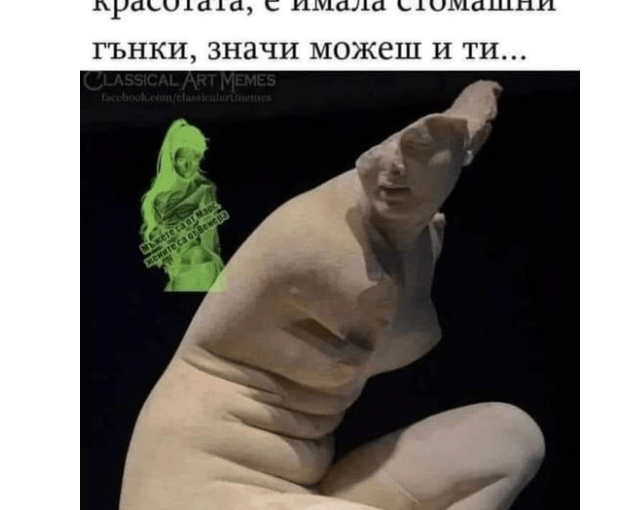
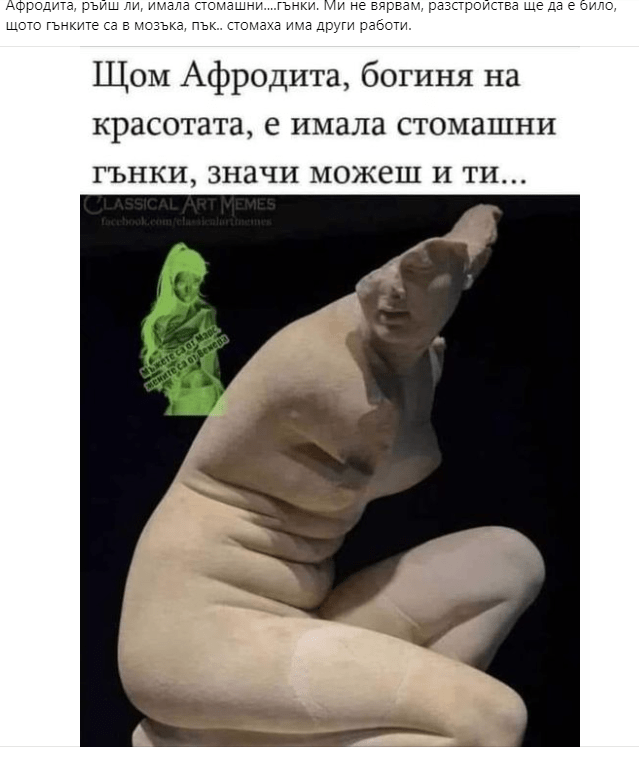


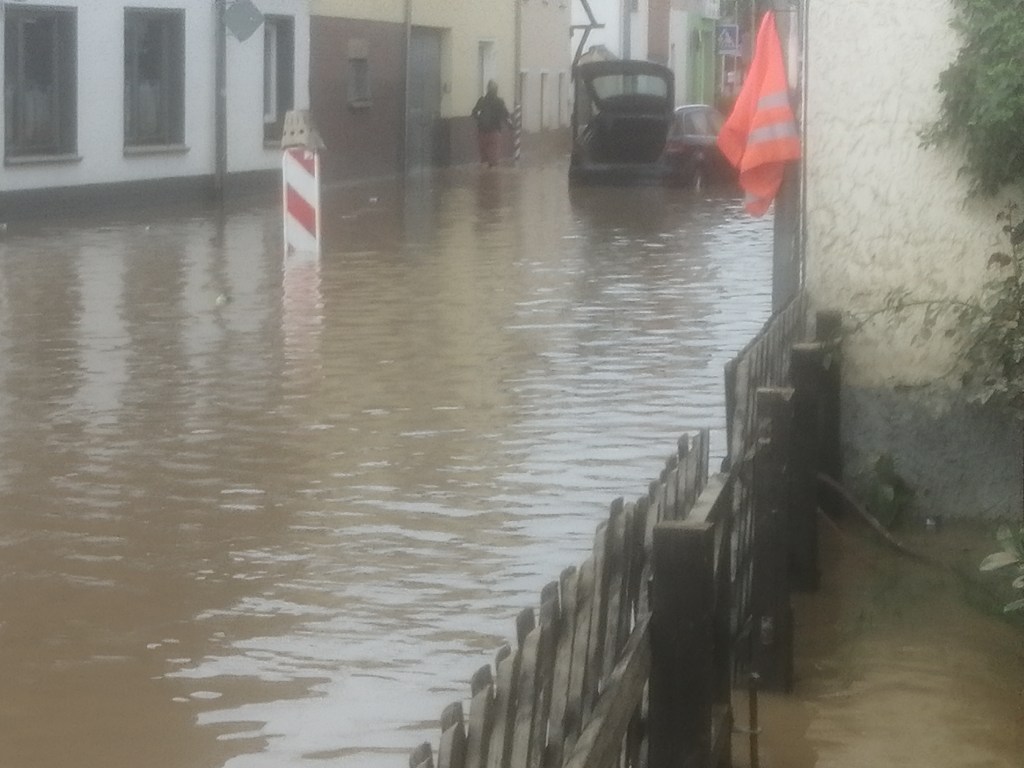
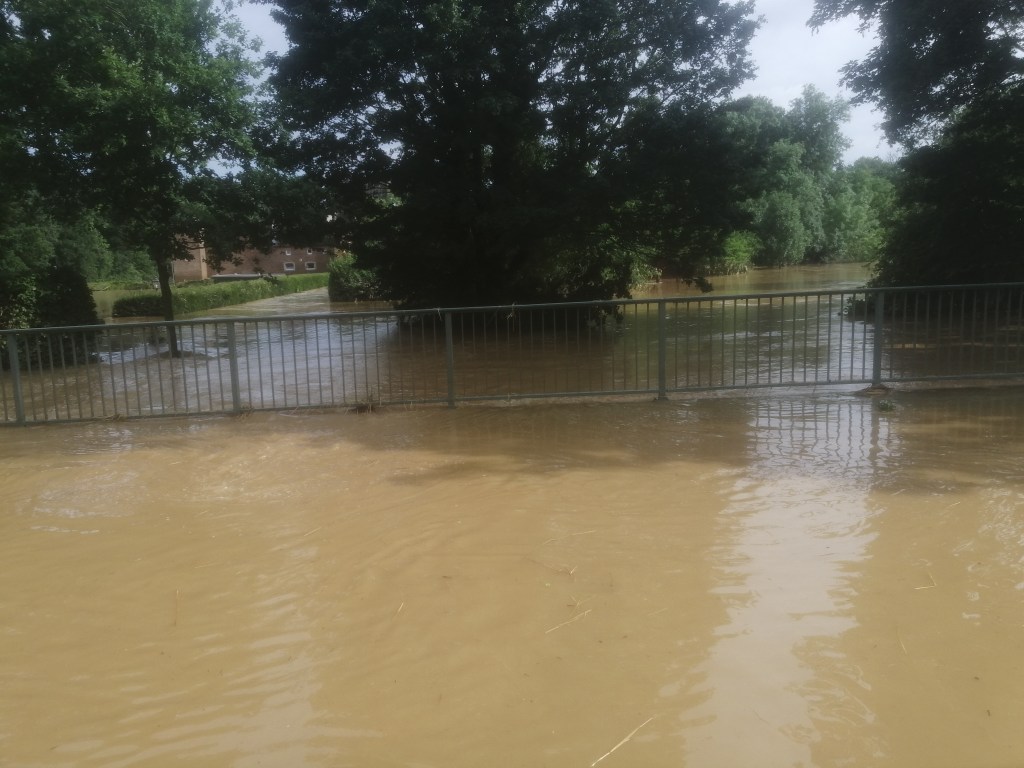
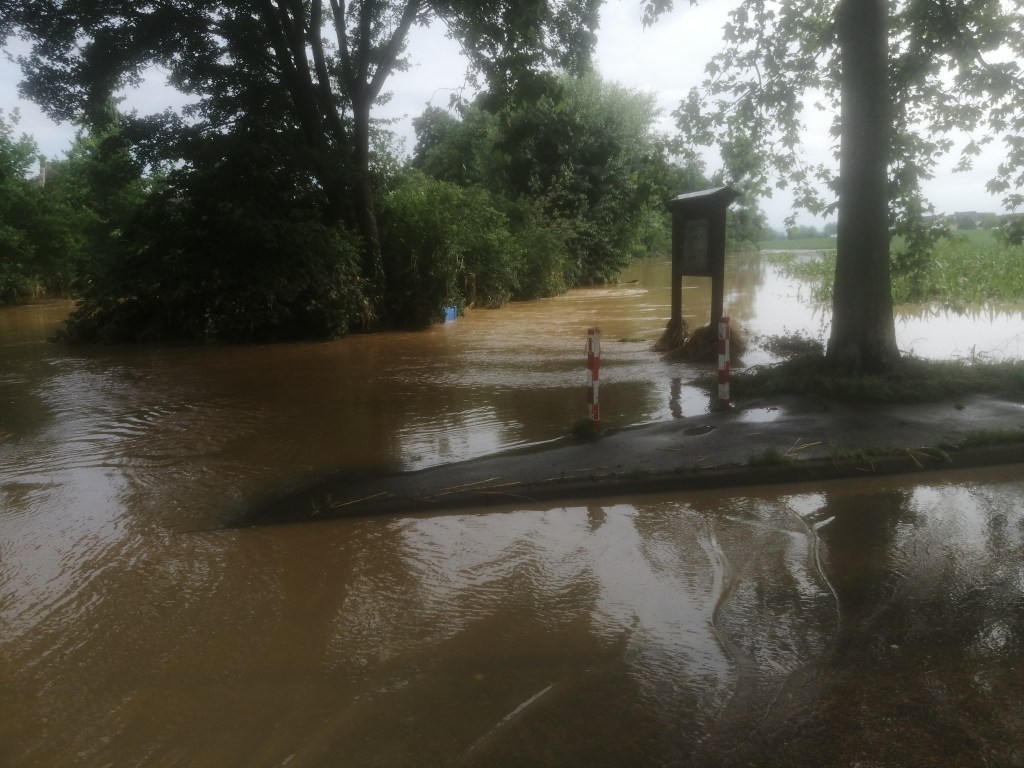
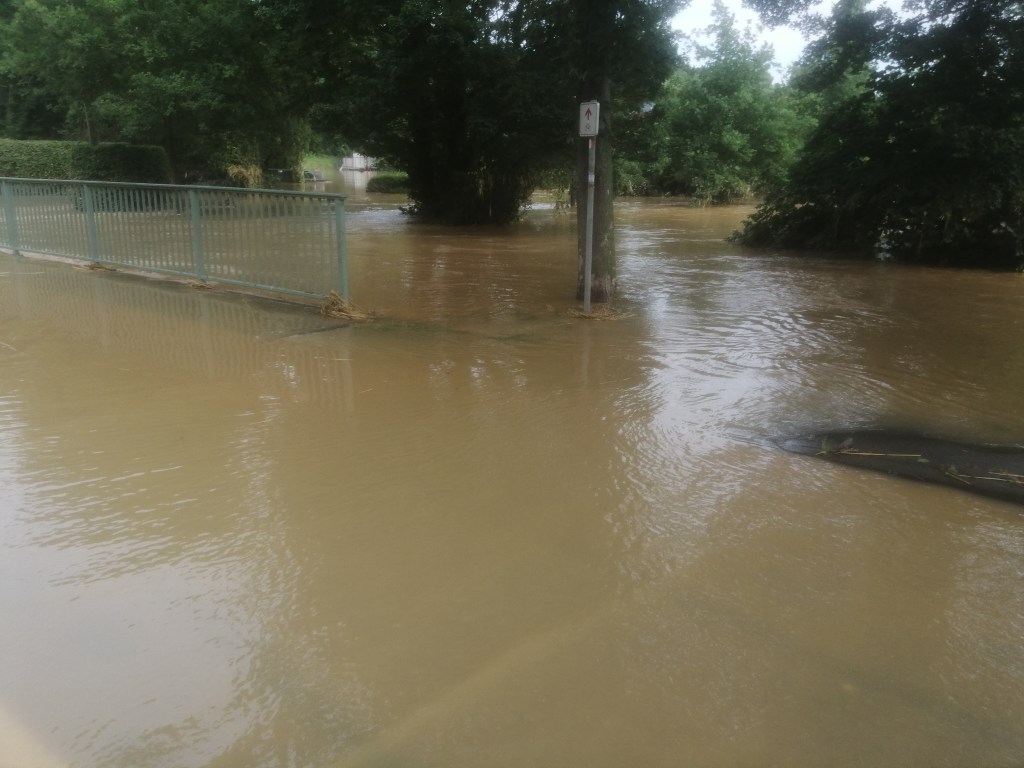
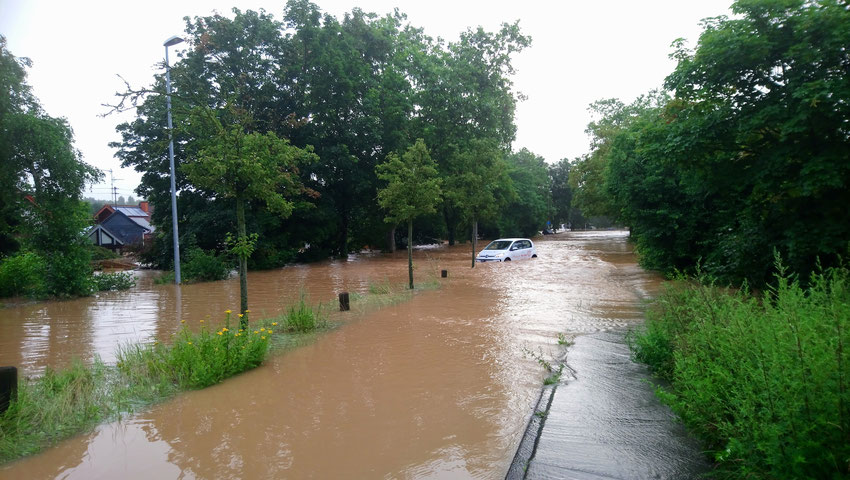
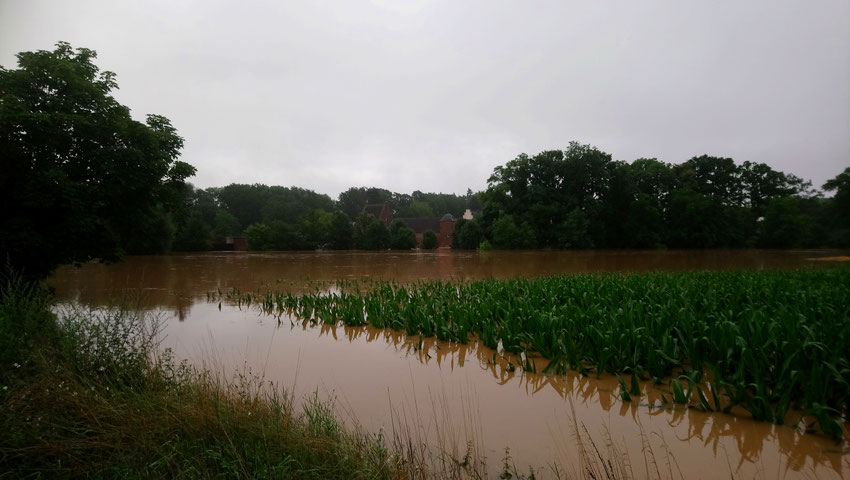
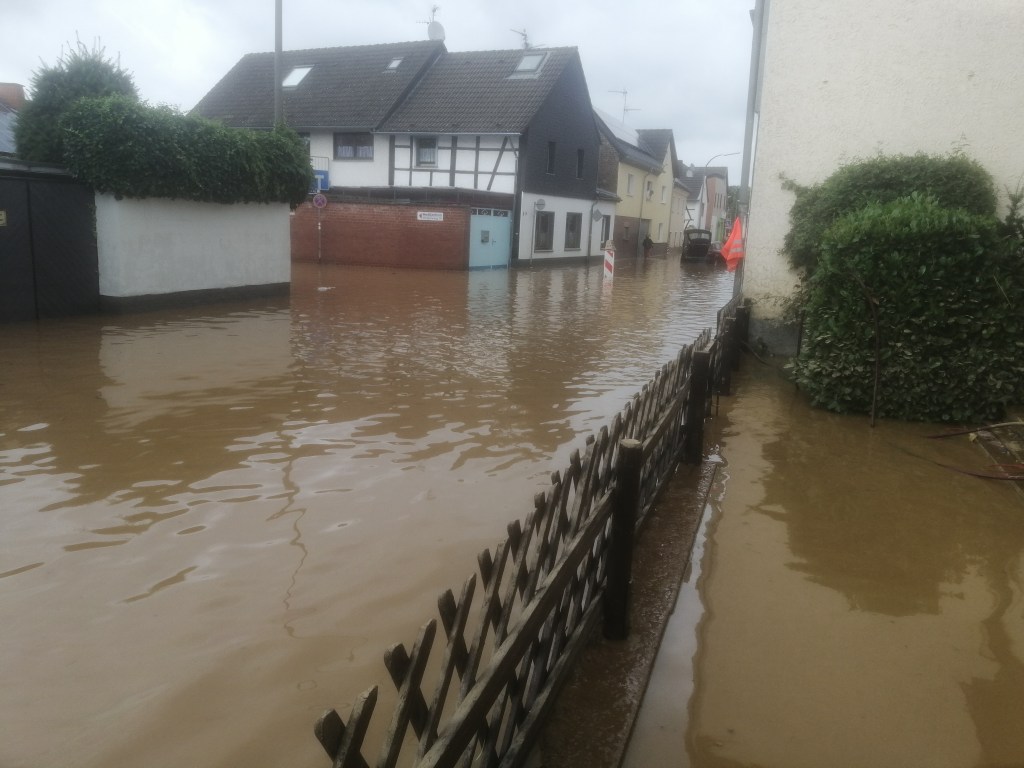
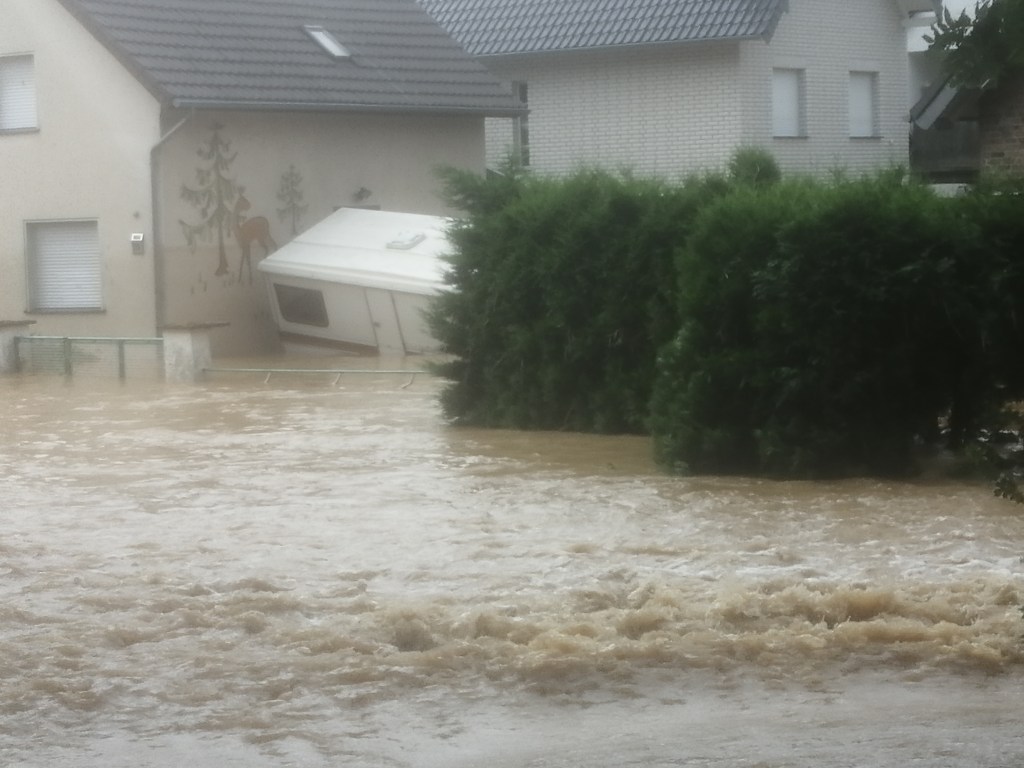

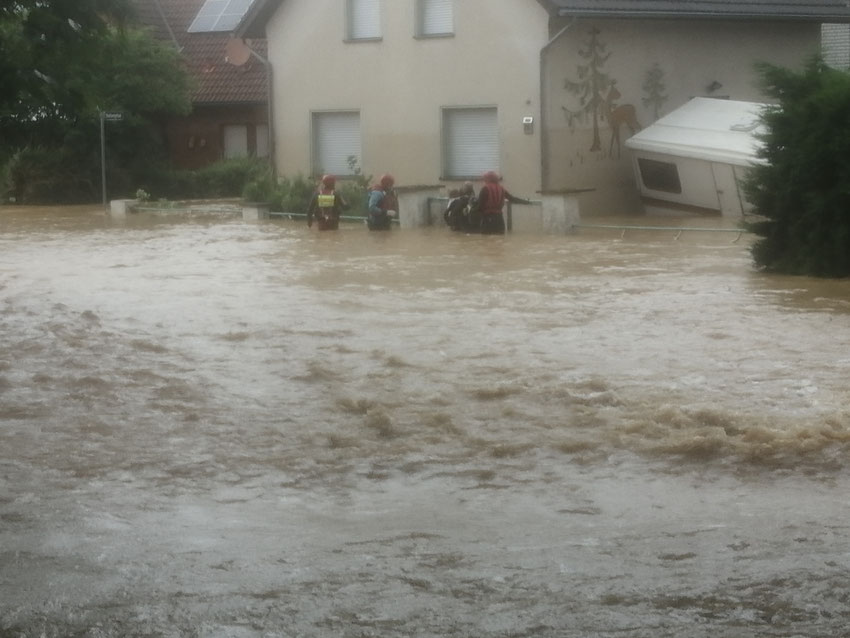
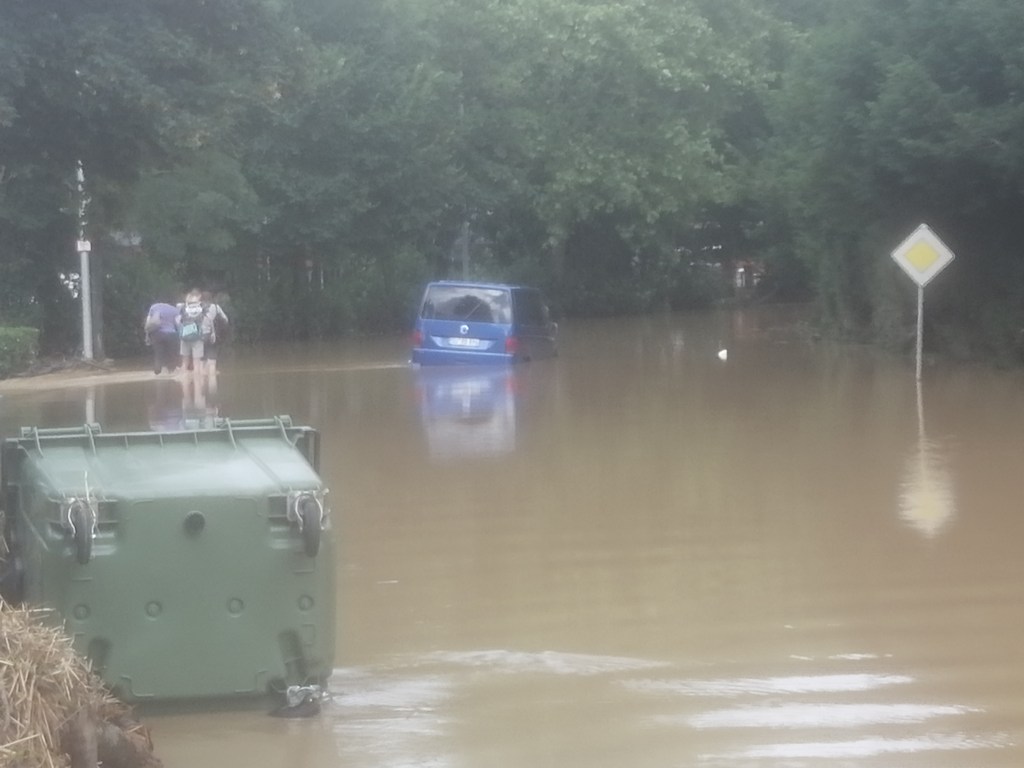
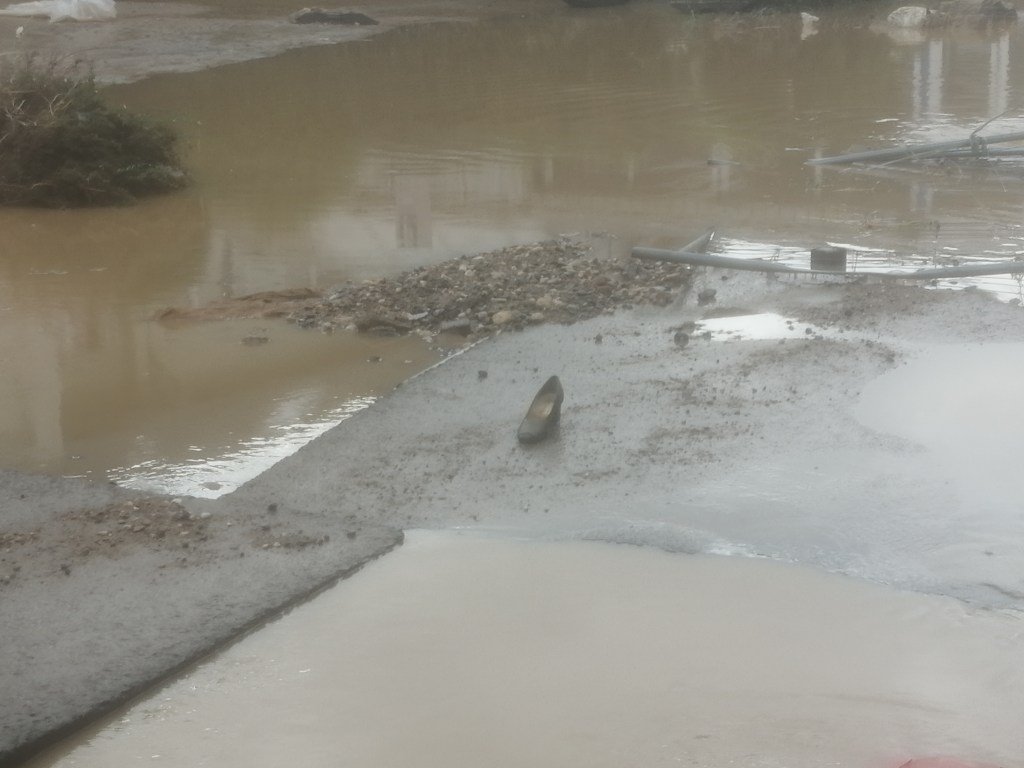
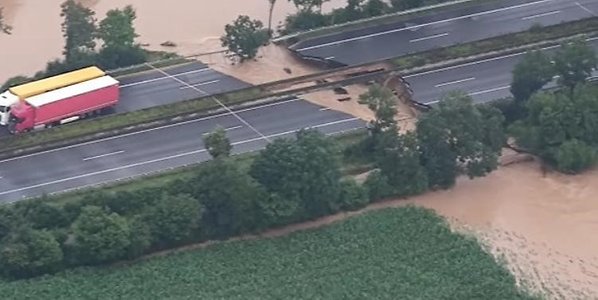
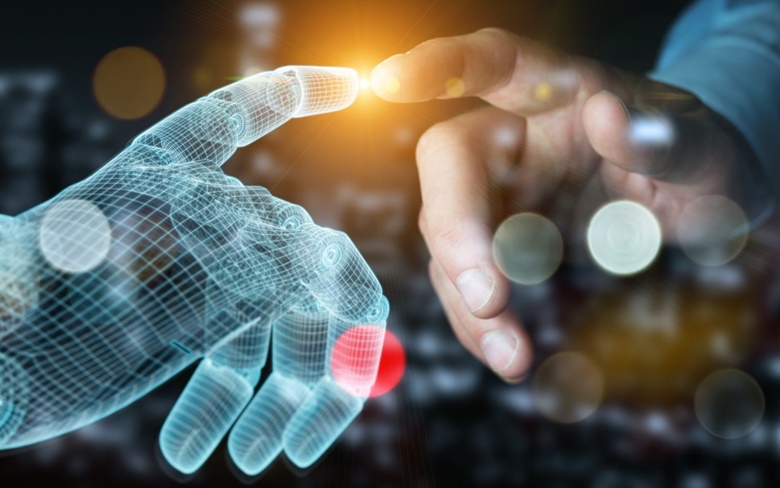


 Tradevarium