Лошите автоматични преводи ми помагат да преоткрия някои граматически и синтактични правила в английския, които съм забравила, или просто не съм „откроила“ за себе си досега. Бях забравила например, че редом до закона ПСД (подлог-сказуемо-допълнение) съществува и правилото за вметнатите изречения, при които глаголът отива накрая. Това е същото и в немски, впрочем.
Но да не влизам в ненужни детайли – не знам дали ви прави впечатление как почти всичко преведено напоследък звучи някак странно, непривично, не точно като на нашия език.
От известно време ме сърбят ръцете да попиша малко на тази тема, но днес вече не се сдържах. Имах рядък подтик, на който нямаше как да устоя, ако не му се отдам.
Ето го и него: „Разговорът им течал без усилие, хуморът им съвпадал като парченца пъзел и те споделяли тиха увереност, че нещо рядко е започнало.“ Това е краднато от https://www.facebook.com/groups/497807739081151/ „Занимателни и интересни Факти и… отвсякъде по нещо“ – те са съкровищница, човек може с тяхна помощ да напише учебник по превод, ръководство „как да не превеждаме“ само като редактира постовете им. Материалът е благодатен и изобилен.
Но да се върнем на цитата горе. Очевидната реакция, която рядкото нещо предизвиква у всеки нормален българин, е присмех, понеже нашето подсъзнание определено не е невинно. Предполагам, че не само аз съм оприличила „нещо рядко“ на едно конкертно рядко нещо. Няма да кажа, сещате се. Освен това обаче има и особено симптоматичен елемент, който със сигурност дразни възприятието и остава впечатление за нещо не съвсем както трябва. Малко са обаче хората, които ще се замислят, а още по-малко тези, които ще го определят.
Това е глаголът! Глаголите в българския език са голяма работа! Те са нещо много рядко, което трябва да опазим, понеже вече са особено застрашени. Не зная дали сте забелязали, но нашето прекрасно минало незапомнено време е на изчезване. Из всички филми събитията, случили се или много отдавна, или много далеч, с други думи, които аз не съм видял и запомнил, се превеждат с най-обикновено минало време. Той направи така, отиде там, уби го и си тръгна. Е, хубава работа, като знаеш какво е станало, като си бил тям и си видял всичко, което се подразбира от използваното време, защо изобщо разследвате? Нали така?
В българския си има л-та за тая работа! Бил съм се бил напил е нещо съвсем различно от „напих се“. Едното говори за безпаметни купони, компании и зевзешки разкази след това, а другото си е най-обикновен и скучен битов алкохолизъм. Моля ви се, бе преводачи и автомати, уважавайте концептуалната дълбочина на българските граматически времена! То е като с ползването на маймуница при изписването на някои имена, като Пътка например.
Освен великолепните ни глаголи с -л, които са си жива приказка, затова и съставят „преизказно“ наклонение, нашите глаголи, понеже носят много повече от чисто времева информация, обичат да са напред, да си стоят непосредствено до подлога и да си правят компания. Ние сме българи, глаголите не обичат да „кесят“ самотни в края на изречението, като някакви второстепенни вметнати събития, като в немския и английския. Сами вижте: „Разговорът им течал без усилие, хуморът им съвпадал като парченца пъзел и те споделяли тиха увереност, че нещо рядкое започнало.“ Спрямо „Разговорът им течал без усилие, хуморът им съвпадал като парченца пъзел и те споделяли тиха увереност, че е започнало нещо рядко.“ Не е ли по-така?
И това не е далеч само из ФБ. Отдавна си мисля да взема да кандидатствам за редактор на Viasat History, които гледам често, и които непрекъснато пращат бедните глаголи в задния двор на събитията, на края на изречението. Обаче сигурно нямат пари за редактор, иначе все щеше да му светне на някого, че глаголите носят и историческа информация, която е редно да се поднесе в началото, като въведение към допълнителната, носена от допълненията.
Viasat History например ме убеди в нещо, което твърди психолингвистиката и на което не вярвах. За английския говорител времето е по-важно от мястото, за испанския е обратното. Ами наистина е така! Всяко изречение започва с пояснение за време, мястото отива накрая, заедно с глагола, в началото стои само спомагателния, който не казва нищо. Наистина е така и за българския, който също като испанския в изречение с много обстоятелствени подточки ще изведе напред първо мястото, а после времето. Обещавам да дам изобилни примери, в момента обаче не гледам телевизия, а цитатите някак не изникват.
Изведнъж си дадох сметка и защо родният език на криминалетата е английски! Ами тази своеобразна рамка, в която част от главната информация остава накрая, е рог на изобилието за съспенси, мистерии и всякакви загадки! За нашего брата обаче всичко стои точно наопаки и нещата стават като в оня виц защо бакшишите са задължително в Англия. Ако не го знаете, ето го накратко: Отива лорд Джон на театър, но закъснява. Като стигнал, понеже много бързал, скочил от таксито и забравил да даде на шофьора бакшиш. Шофьорът го повикал, лордът решил, че е забравил нещо и се обърнал и шофьорът му казал кой е убиецът. Така си отмъстил.
Същото прави и автоматичния преводач с българския език. Вместо да ни остави развръзката за накрая, той ни я поднася най-напред в изречението. Ето и пример: „А след това 2-ра гвардейска армия излиза“. Не стига, че в началото всеки нормален българин ще си каже „чакай сега, каква армия, какви 5 лева, какви 5 евро“, ами и целият „съспенс“ отива по дяволите. Ако беше както трябва, първо трябваше някой да излезе и чак след това да видим кой е. То дори и в театъра на сцената е така. „А след това излиза 2-ра гвардейска армия“.
Абе, интелект изкуствен, не си ли чел „Опълченците на Шипка“? Ами дядо Вазов ни подготвя цели 2 страници за „изведнъж Радецки пристига със гръм“. Ако го беше писал на английски, ИИ щеше да ни го сервира с гръм и Радецки най-отпред, а после да дойдат трите деня и т.н. Българският език е логичен, причинно-следствен, няма чак толкова много изключения, които да потвърждават правилото, като в английския. Едно изречение започва с вече позната информация, а новата идва накрая, след познатата. То е като с поздравите– първо почваш от познатите, после тръгваш към непознатите.
Не ни разваляйте пейзажа и насладата, да ползвам и аз тази любима на новия български дума, от новото! Оставете ни да си стигнем „органично“ и плавно до него, да си минем по нормалния път на очакване, догадки, потвърждение… А така целият кеф отива на кино, няма мегдан да се забавляваме (пак любима нова дума), сервирате ни първо десерта и ни заминава удоволствието.
Ами не така, ако не знаете, питайте, все още има кого. Все пак достатъчно бакшиши сме дали под всякаква форма, че да ни казвате кой е убиецът, преди още да сме влезли в театъра!
It started raining on Monday. On the third day, very heavily. While I was at work we went to check if there were any signs of leaks on the walls, that sort of things, standard during rain. Driving home from the big city was unusually slow, but that’s not news to Germans used to traffic jams. Later I had to “swim” the car across a pond that was spreading out in the middle of the road, thankfully it did a decent job. All the time I shuddered at the memory of my experiences with a red Fiesta, which in similar situations unfailingly abandoned me. My current car, however, did not fail.
It rained heavily and continuously on the way back home. At the main door, I met the neighbour from the first floor, we talked about the rain. There was no damage to both them and us, everything seemed normal. Only the backyard with the bike garage looked like a swimming pool, but the water was just ankle deep, nothing to worry about.
Around 8 pm the siren wailed. We’re used to this because there’s a police training school in town and sirens wail constantly, during the night as well, signalling training exercises for future policemen. This time, however, it sounded different – hoarser, longer, more sustained. I told the kids that something was wrong, maybe the creek had overflowed, so we should better stay home. There was nowhere to go in this rain anyway. The siren subsided, but my young daughter’s whatsapp group started spewing messages, “help, come with buckets, the kindergarten is flooded”. Since the little one will be in 5th grade now, and I’m not very familiar with street names, I couldn’t figure out which of the 5 kindergartens in town they were talking about, so I stayed home. I went to bed early, had to get up around 5.30 the next day.
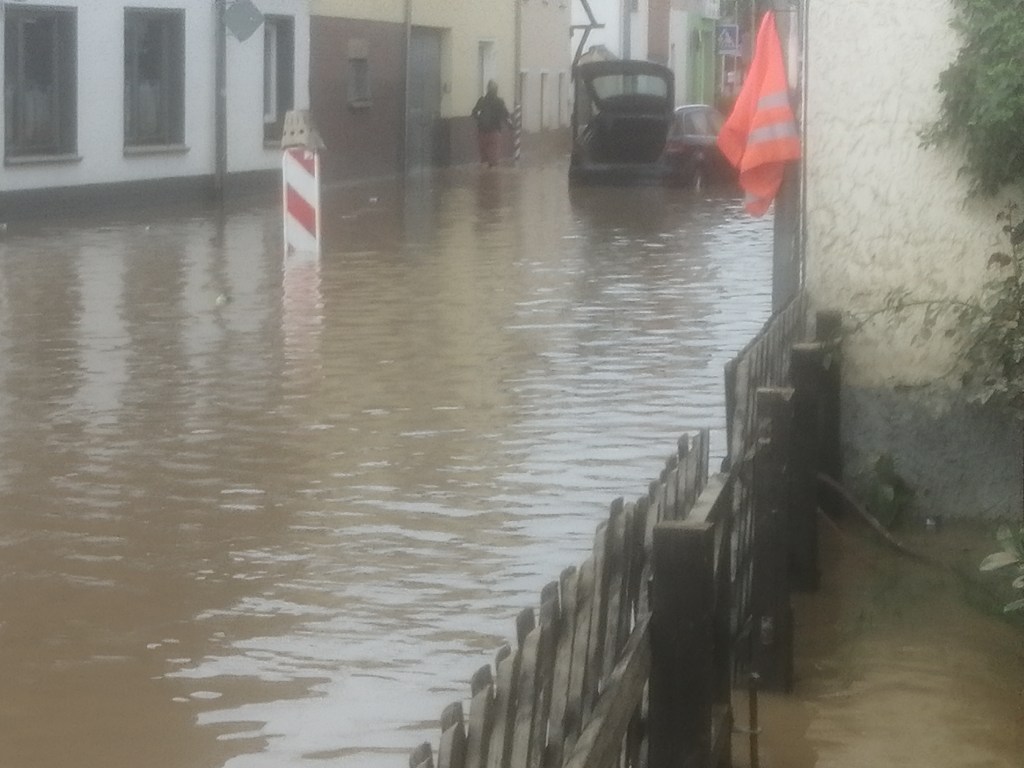
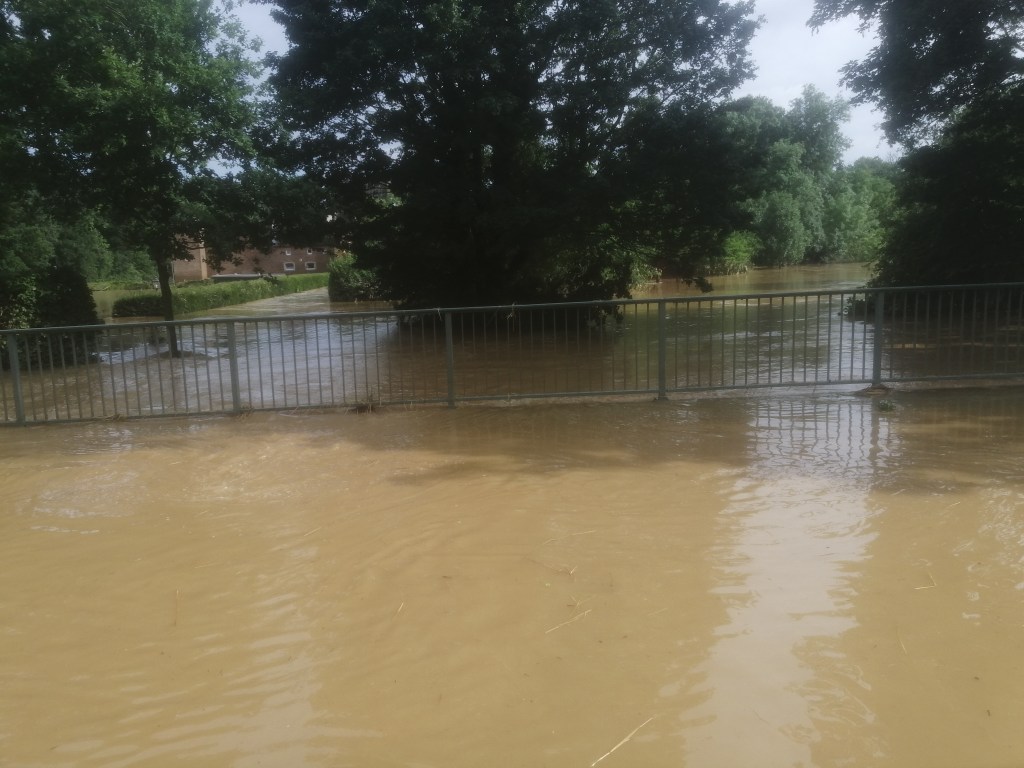
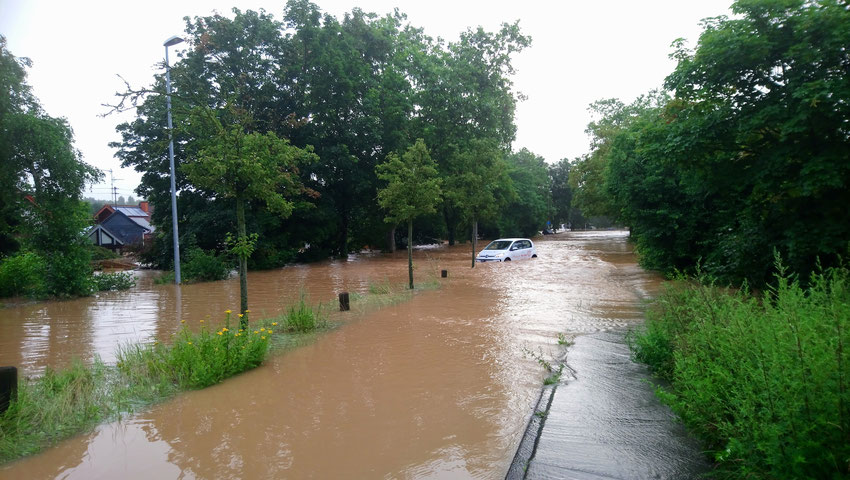
In the morning I went out at 6.15. The street was crowded, and by the time I had driven 200 metres I had already passed 5 other vehicles. Indeed, many people work shifts and leave early for work, but I had never seen such a crowd and heavy traffic early in the morning on the narrow streets of our small 15 thousand town. What’s going on with everyone today, I thought. The answer came within seconds – ruthless and overwhelming. The road I was supposed to pass was blocked by a wall of people. Behind it was a wall of water. There was no road. Our creek had surpassed all human imagination, recreating a scene from a Hollywood apocalyptic movie. Everything to the horizon was under water. Within a night the river had grown and become a lake.
I turned the car around and took the circuitous route, there was no creek there. Now and then we rode through puddles with my swimmer on four wheels out of the town. The last houses didn’t even suspect the fate of their fellows by the river. I did not think of them either, for I had not seen them. That’s how a human brain is set up – it processes the information its eyes give it first. And the houses were not visible. That they were there, but under water, I realized after a while.
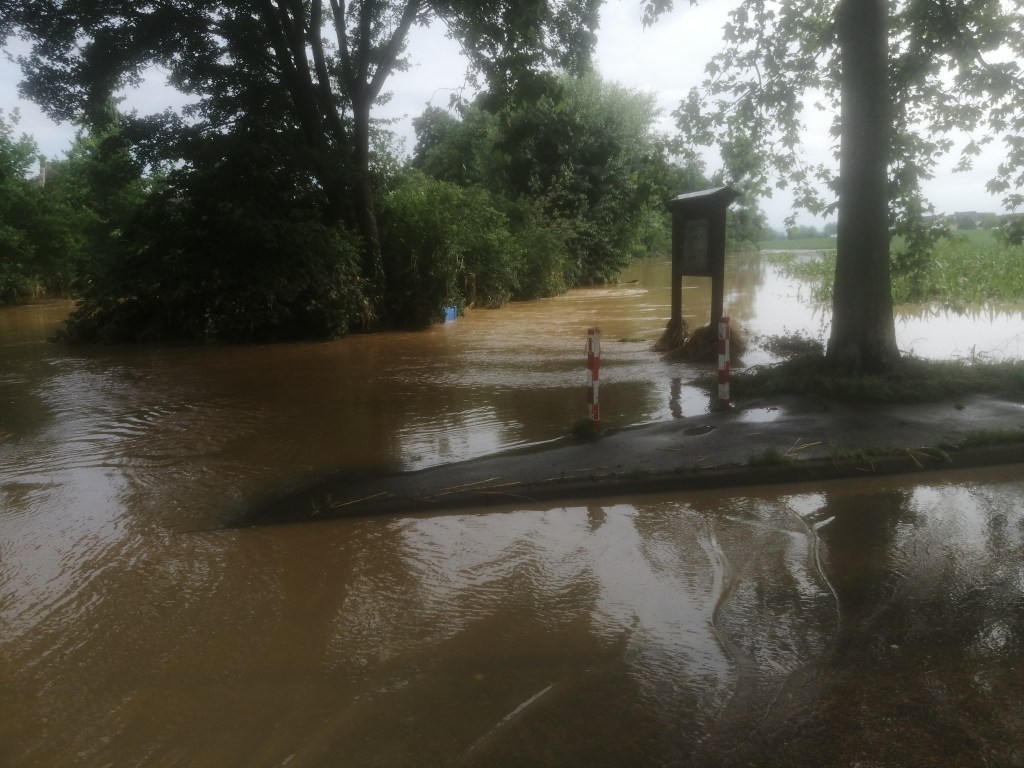
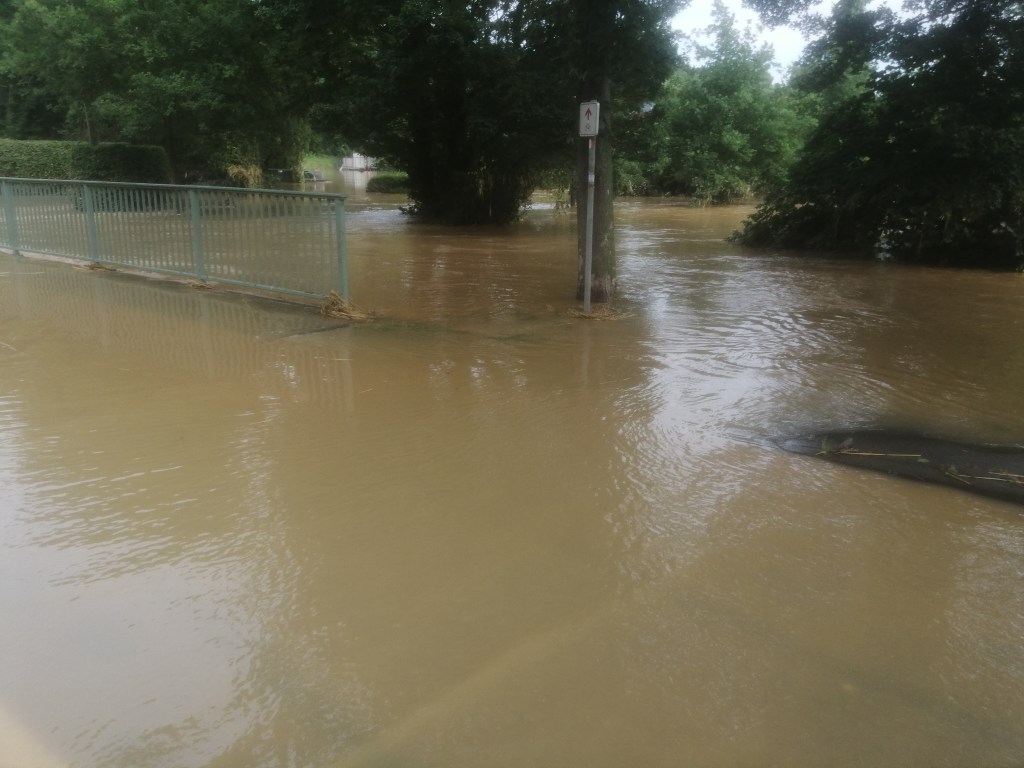
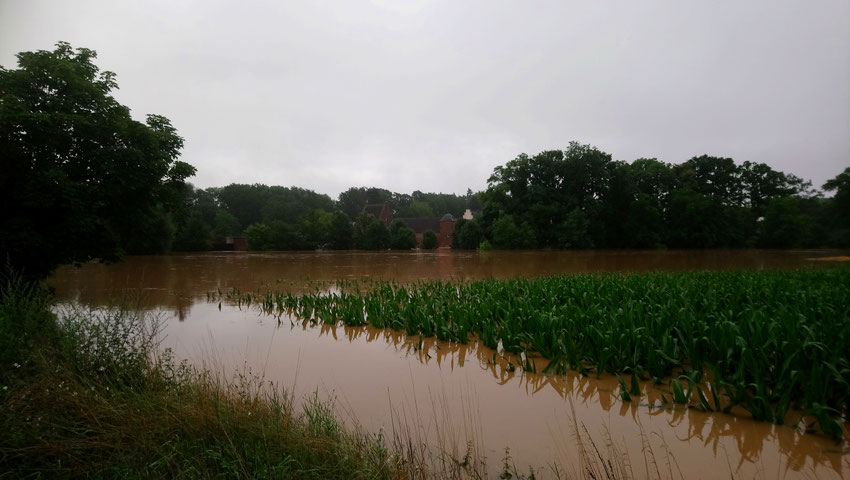
Then I saw that the surrounding fields – the area around us is agricultural, every bit of land is cultivated, at this time there is mostly wheat – have turned into ponds. The water had overflowed the road, turning it into a river. That exit was cut off, too. I turned around together with 10 other cars. It was now crystal clear why I’d passed so many cars in the morning – they had been all returning after trying unsuccessfully to make it to work.
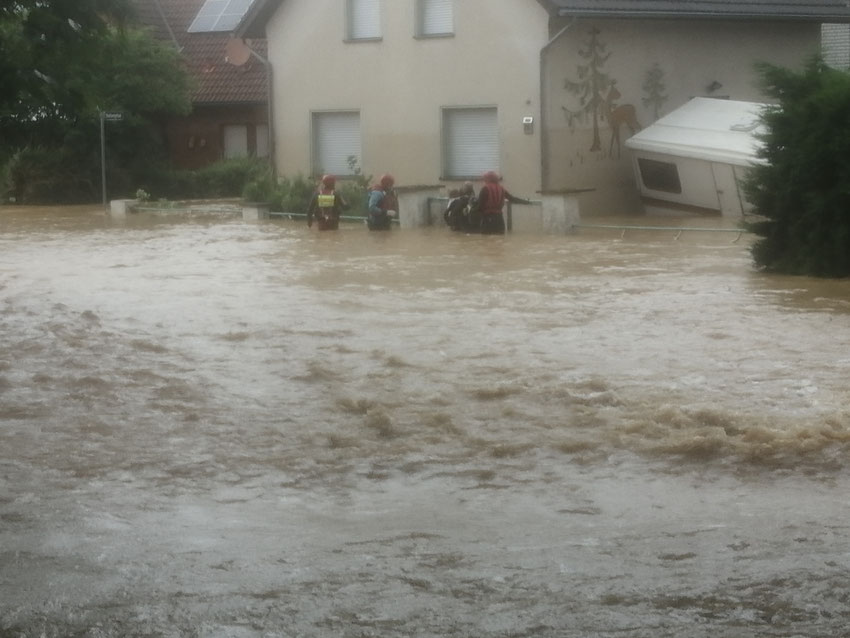
Since I was on the way to the gym, and I still had about an hour before I had to leave for work, I decided to walk around until it was time to go. I parked the car. My walk revealed the sheer drama of the situation. The main street of our town, which the children cross to go to school and which is about 500 yards from our home, was completely under water. The water hadn’t just flooded everything, it was flowing violently and hurriedly, it wanted to conquer as much land as it could, yet for the first time it was able to do that, so it had to make the most of it. Had almost succeeded. All three miles, if not more, of the road – from one side of the town to the other – were under water. Along its bed the river was rushing wildly, as if to prove to the people, who could not believe their eyes, that they were not masters of the world.
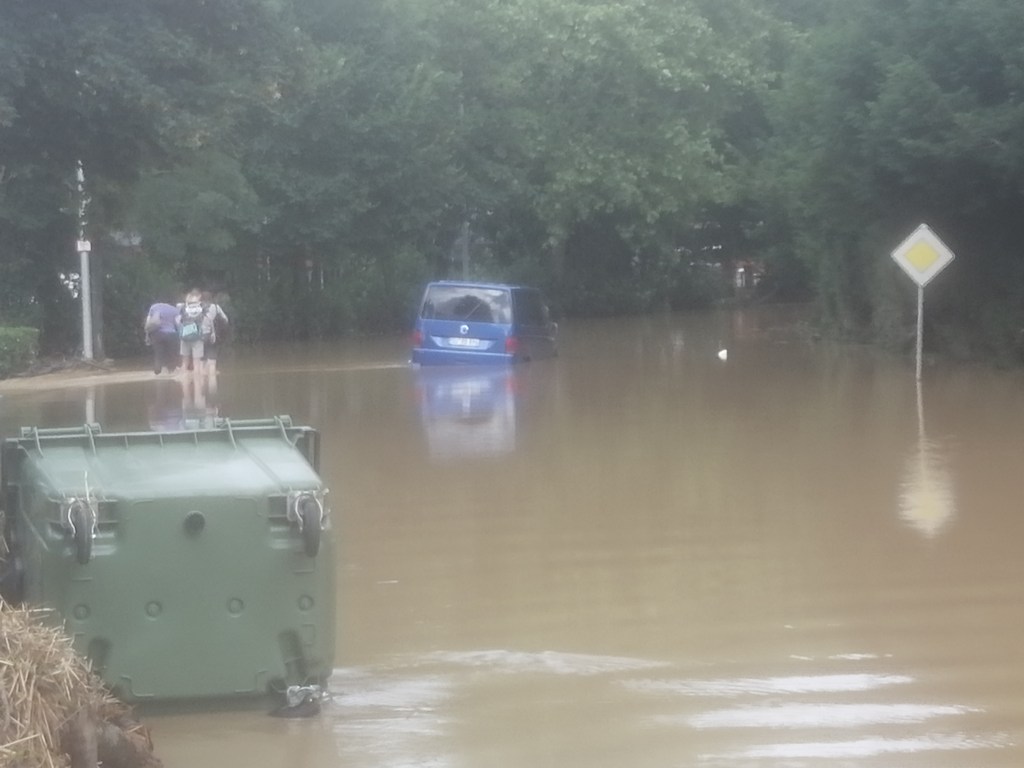
Its determination seemed to be untamable. The sight was ravaging. Of the surrounding houses, only the roofs jutted out. The apple trees in the front yards were submerged in water up to their tops. In the center of the lake, in fact on the center line of the road, several cars were moored like whimsical and absurd buoys. I knew one of them, it came every morning at 6 o’clock to the 97-year-old woman who lived across from us -a homecare nurse. I wonder why she ever tried to cross all that water. Or maybe there were just a few puddles around 5.30, then suddenly the water rushed in and sent her halfway across. That’s what a couple of women from the affected houses in the street next to us said this afternoon – the water came in with amazing speed. I wonder if the nurse was able to serve her patients this morning?
My original intention to walk to the upper part of the town was obviously not going to be accomplished. The river had split it in two and left no bridge, road, ford or any way to cross over. Like the Berlin Wall on the other side of Germany. Made of water.
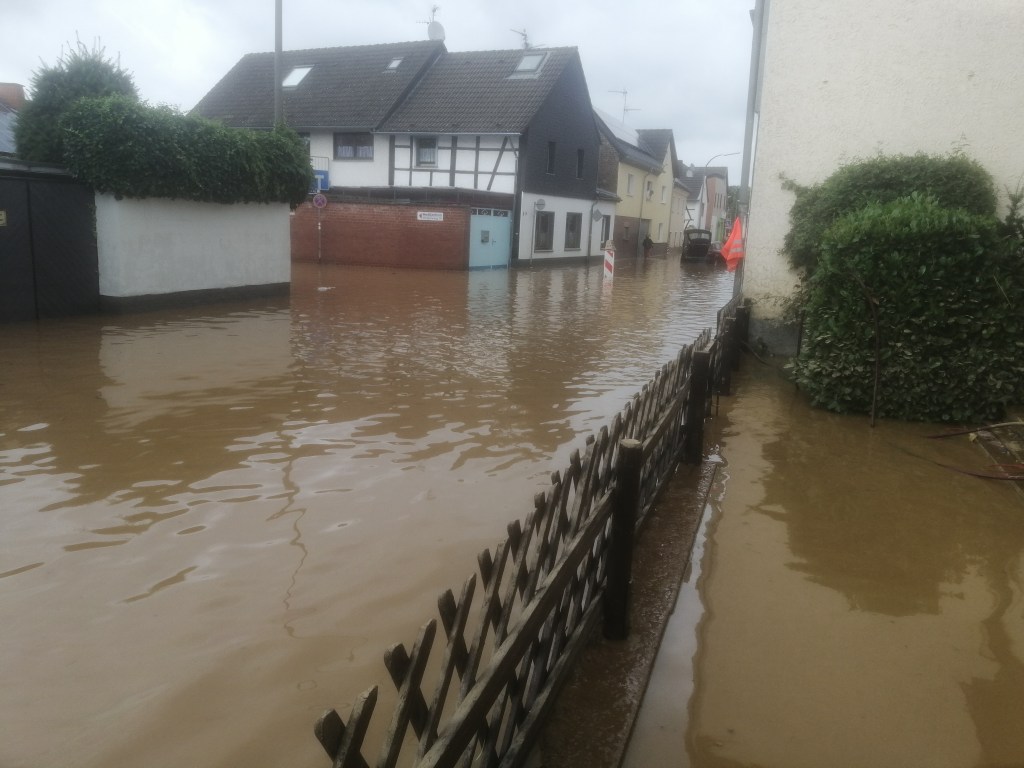
I decided to go and look for a detour via the neighborhood. Although I had walked by about 20 people with horrified eyes, I wasn’t prepared for the sight. The street that all the buses ran on, that led to the highway, that had the post office, the 3 pharmacies, the 2 candy stores, the ice cream parlour, a favourite place of the kids, was not there. It was gone. The heart of the town was drowned. Water flowed calmly and without remorse all over the center. Here it was no longer rushing. It had taken over everything. The colourful roofs of the cars dotted its monotonous yellow-brown domination, but could not cheer it up. If the owners of the drowned houses wished, they could walk on them, on the roofs of their own drowned cars, to get out. The whole town seemed to be outside, everyone talked in hushed tones. All were covering their mouth with a hand, however not because we had all forgotten about the masks and the pandemic.
The blank stupor on people’s faces resembled that of the rabbits and quails, huddled motionless on the remnants of unwatered land on the other side of the city, amid the turned into pools fields. The animals weren’t moving, just standing and watching as if mesmerized. Terrified and uncomprehending. Just like the humans. Just like the young corn field by the riverside lane with leaves sticking out of the flooded field resembling green hands begging for help. Standing alone just like the outstretched torch of the Statue of Liberty from “The Day After Tomorrow”. It was eerie.
I didn’t have time to give in to the heartbreak, I had to get to work. Four of the town’ five exits were completely cut off. Well, you could get through, but only by boat. Just like the innumerable rescue teams were doing, by the way – criss-crossing the devastated streets with boats to prevent the devastation of lives. They were many. They helped silently.
I decided to take the fifth exit, the viaduct over the highway, it was on high ground and accessible, no damage done. By the time I got to the car I had informed the disbelieving faces at almost all the windows that yes, all the exits, with the exception of the overpass, were under water. Someone added that no one would be able to go to work today. Well, I was going to try. I started the car and left. It was a fighter, had already proved it, would cope with some water on the way.
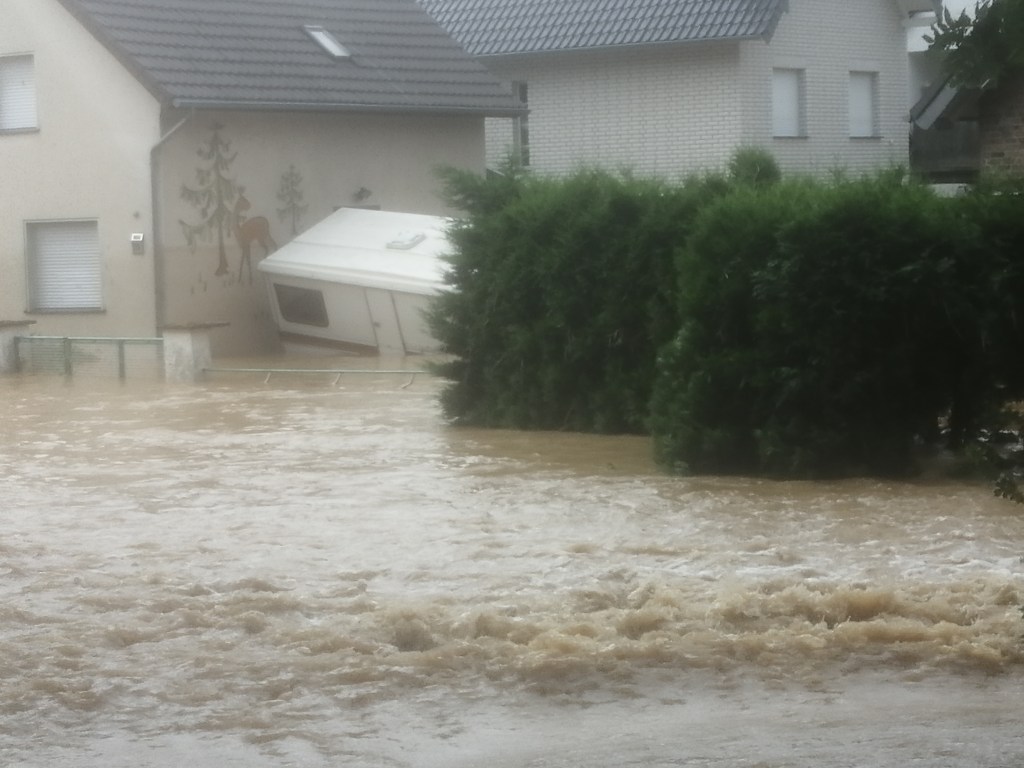
The first thing that struck me was the vast number of trucks clogging all the roads. What on earth were they doing in the villages? Over the next few minutes, it was clear: all the roads within a radius of about 15 km were under water. There was a dry stretch or two, where trucks and cars were roaming like wild sheep trying to get out of the water trap. It was mission impossible. There was no need to even try – the abandoned cars of the first unsuccessful daredevils were strewn across the roadway like dire warnings. There were cars everywhere. In the middle of the lane, across the road, hanging over the bridge railings, on the guardrails, on the turns, at the doorways of houses. Trunks open, doors smashed, wet grass and straw sticking out of their radiators like the teeth of an unknown species of dinosaur. Some were one on top of the other. Others leaned against each other as if seeking support for their shattered fates. And the fate of them all was clear – a platform and a junk yard. Scattered in utter disarray, as if they belonged not to the neat Germans but to aliens from some watery land out of the movies.
The disaster was devastating. Its scale inconceivable. The damage was horrendous.
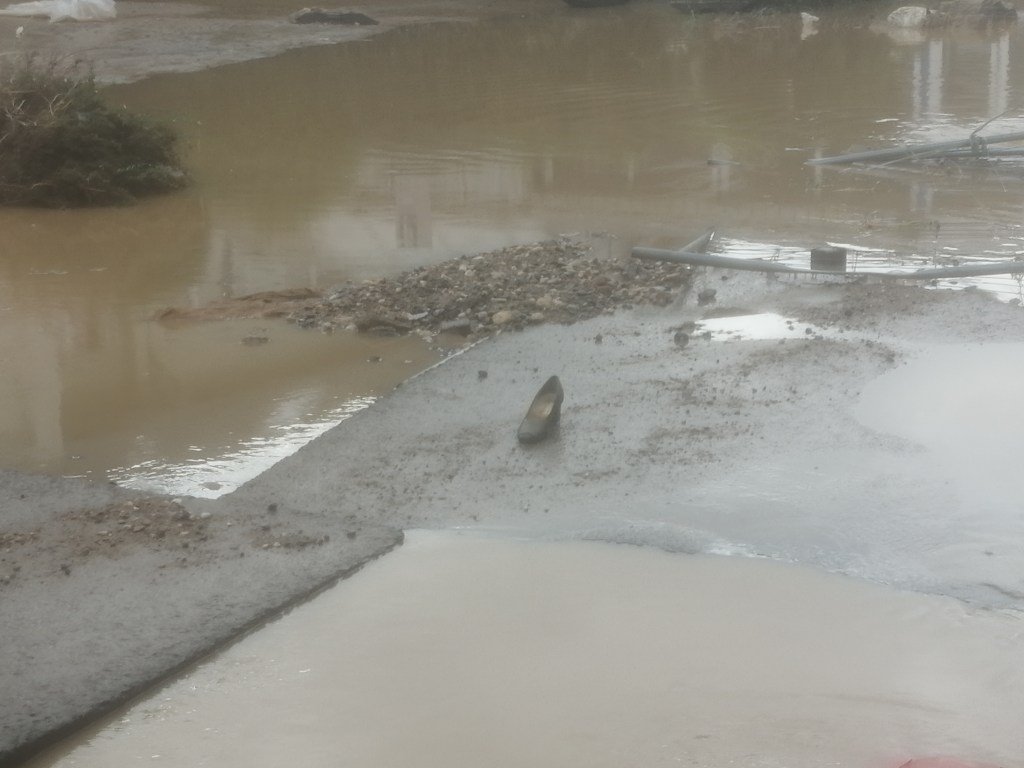
The next day I would see the beautiful, orderly, tidy German towns looking as if they had just come out of war. Or a meteorite had fallen on them. The water would recede, taking the asphalt with it and leaving the streets like sucked off bones. Mud and jutting stones. A lunar landscape. There was a gas station somewhere on the road, clean and shiny until the day before. Now it looked like it came out of that sad Wim Wanders film, ”Paris, Texas”. Bogged down in mud, with broken windows and fuel pumps crooked as old men’s fingers.
I tried to call the office, saying it was impossible to get there. Until then, I hadn’t noticed there were no phones. That there was no internet I had realized when I woke up that morning – it was the first time I ever saw the modem glow red. We had no communications. Back I went and woke the children. They had to see this I hope they will never have this experience again.
At home, while I was waiting for the kids to get up and get ready to go out, I could hear a constant buzzing. A monotonous sound, annoying and irritating. I thought for sure the basement of some neighbouring house must have flooded, even though there was no damage on our street, and people had started a pump.
It turned out to be a helicopter. Helicopters, three. The kids said they had been hearing them all night, I hadn’t noticed until then. They circled over the town, occasionally stopping somewhere, dropping ropes that people were climbing on. We were filming like paparazzi – we had only seen such a thing in the movies. Later, when the helicopter landed in front of us and a pilot staggered out of it, overcome with fatigue, to be replaced by the backup, and a woman sobbed herself out, we continued to document the shear dread and commitment with all the respect and awe of which we are capable of. Later, when further down on the town largo, the place whose residents we had envied for the past three years for the gorgeous view and the lovely houses, we saw the helicopter just stop over something reddening over the water, we realized the true scale of the disaster.
All the houses by the river, the kindergarten from the whatsapp messages (apparently in this place), the streets and bridges were under water. The river had spilled like the ancient Egyptian Nile, stretching its yellow torso across several streets. About 500 meters on either side of it were completely swallowed. The calamity had engulfed half the town. Helicopters were rescuing people. The sirens of the fire trucks could be heard everywhere.
We saw firemen up to their waists in water carrying small children in their arms. Behind them, parents were stumbling, probably choking back tears. We saw firemen sleeping on the boats and snoring thunderously. Others had fallen asleep right on the street, laying their heads on the curb. Still others were perched on the sidewalk drinking Coke. Perhaps no one wanted to see water. They had been on duty since 8 o’clock the night before. My watch reported that meant 16 hours fighting for the lives of strangers. Then we heard on the radio that two of the now 173 dead were firefighters attempting rescue. The little town was teeming with people, frantic with fear; firemen, exhausted but helping; policemen with swollen sleepless eyes; all sorts of rescue equipment, backhoes, bulldozers, huge trucks whose purpose was unclear to me, equipped with all sorts of rollers, hoses, hose reels, grapnels, and rescues.
The darkened walls of the houses registered with unrelenting clarity how far the water had reached. At least a meter, in some places two. The shattered glass of the shops, the mud outside their otherwise friendly doorways, the destruction and chaos continued to tell the story of the apocalypse. Muddied up to the roofs, cars spreading their broken glass doors, asked question after question. Had the rushing water crushed them or the desperate people trying to save themselves…?
There was a woman weeping out there. She had been crying all morning, all day. Used to have a farm and animals – cows, chickens, pigs. They must have had names too – Bertha the cow, Ula the hen, Hans the pig. Of all the animals there were only three pigs left. The others, dozens of head of cattle, drowned. Their names were not among the 173 victims. They are among the incalculable destruction and damage.
On a wall lit by the brief sun, swayed baby clothes. Polly came into this world a month ago, weighing 3,000 grams, 52 centimeters tall. The happy parents had hung balloons, baby clothes, and other colorful evidence of their joy under the windows of the house. Germans love to share their happy moments with others, no matter that we consider them cold and heartless. The clothes are now wet, dirty and sad. A few inches below them, the water has dispassionately left its dark mark. Hopefully Polly is safe, surely some rescuer must have got her up the rope to a secure place in the helicopter.
My older daughter sits silently beside me in the car. At one point she can’t stand it anymore and simply closes her eyes. “I don’t want to look any longer,” she says. I feel like crying too.
Witnesses to the devastation tell their stories speechlessly in the streets. They are piled outside every house. Sad, dirty and tattered couches that a day ago were bright, beautiful and laid their back amiably under bouncing children’s feet. They may as well have been brand new, like the one belonging to a woman in our town. Crumbled tables that held mugs of beer and plates of wurst tell of days of laughter and joy through rainy tears. Mattresses leaning wearily against the wet walls have spread their silent maws like some unknown mythical monsters. Shoes, pots, and forks are scattered creepily in the midst of the street lanes.
Broken windows and vials strewn on the ground in the pharmacy. The ice cream parlor, covered in mud and toppled over tables and chairs. The gift and balloon shop that greets us with eyes closed in anguish and a pile of mud and trash outside the door. Handwritten notes hang everywhere. Not going to open. Some have dropped in the mud, no one needs them any way.
At places, grotesque-repulsive sights of chemical toilets turned upside down, I don’t even want to think about what they’ve dumped on the ground. People yesterday, however, buckled their pants and waded into the mire without hesitation. Men and women. Their homes were somewhere in there. Their whole lives.
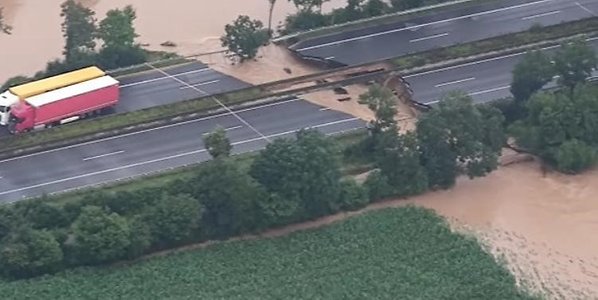
The disaster is mind-boggling. Over 50 000 people have no electricity. The flood has literally swept away parts of the state’s busiest highway and one of the busiest in Germany. Sinkholes of about 3 metres are yawning. Several of the largest dams may break their embankments any moment. Maintenance crews are on duty around the clock. Preliminary estimates put the damage at around EUR 1 billion. In my opinion, it could be more. The casualties are 173. So far. Unknown number of people missing.
It has been reported that most of the victims are from the nearby county, the town with the big and nice shops where we usually shop when we want to treat ourselves. We may have seen the eyes of the deceased, walked by some of them on the streets. We don’t know their names. News reporters don’t know them either. In the town in whose hypermarket I lined the gondolas when I first came to Germany, a very beautiful town about 40 kilometres from us, with an picaresque river meandering through it, steep streets and white limestone cliffs on whose slopes they grow tiny grapes and make sour wine from them, the flood has also carried away houses. Just like that, it grabbed them and took them somewhere – with the roofs, the paintings on the walls, the carpets on the floor and the lamps on the ceiling. They say their people are missing. Nobody knows how many they are, and they are not able to look for them. They also say, “Don’t come here. It’s scary. “
picture- Kölner-Stadt-Anzeiger
No one cries. There is enough water.
On the radio, a man explains breathlessly how all the appliances are out of order and his entire kitchen is in ruins. He has small children. He doesn’t have a stove anymore. Surely he was talking fast so he wouldn’t sob. After every word he keeps repeating “we’ll see”. The hosts repeat “dramatic”, “disaster”, “devastation”. I already know all the German words to describe a deluge: ‘flooded’, overflowing’, ‘inundated’ … But I know another, biblical one.
Einem realen, oder genauer gesagt, einem virtuellen, in dem jeder werden kann, was er will. Nach der Quantenphysik sind wir es, die nun Zeitzeugen einer Realität mit unzähligen Möglichkeiten sind. Mehr noch: Wir sind an deren Verwirklichung aktiv beteiligt.
Im Internet zu leben ist heutzutage wie in den eigenen vier Wänden.
Besonders auf sozialen Medien machen wir es uns gemütlich. Dort nehmen wir unser (Online-)Schicksal vollständig in die Hand und ziehen verschiedene Persönlichkeiten an, wie Kleider, und gucken, welche uns am besten gefällt. Im Gegensatz zu Kleidung besteht keine Gefahr, komisch und kichernd auszusehen. Jede Minute erschaffen wir die Person, die wir sein wollen. Äußerlich können wir so aussehen, wie wir wollen – die zahlreichen Beauty-Applikationen lassen uns wie Holiwood-Stars erscheinen. Wir können uns aber auch in die Lage von jedermann versetzen, der wir gerne sein wollen.
Willst du ein Schauspieler sein?
Dazu muss man nicht nach Holywood gehen, Stanislawsky lesen oder Schauspielkunst studieren. Nimm einfach dein Handy, dreh einen Clip und lade ihn auf YouTube hoch. Millionen von Dollarscheinen werden nicht auf dein Konto fließen, aber du kannst sehr wohl eines Tages Millionen von Likes bekommen.
Warum nicht mal ein moderner Schreiberling werden?
Finger auf der Tastatur und einfach nur fluchen. Bevor du gebannt wirst, wenn überhaupt, wirst du hunderte von Kommentaren, Likes und Shares bekommen. Du wirst dich sicherlich wie ein Bukowsky in seiner Höchstform fühlen.
Warum nicht auch mal Gedichte ausprobieren? Einfach ein paar Worte zusammensetzen und schon hast du das Selbstbewusstsein eines Nobelpreisträgers. Es ist doch so einfach, nur schlichte Worte, achte nur darauf, jedes fünfte auf eine neue Zeile zu setzen. Es wird viele Leser und Bewunderer geben, die dir sagen werden, wie talentiert du bist.
Soziale Medien kann wirklich alles aus jedem machen.
Man muss es sich nur wünschen und loslegen. Letztendlich sind wir alle nur Menschen, sogar Einstein! Jeder kann das sein, was er will – die virtuelle Realität bietet unerschöpfliche Möglichkeiten. Eigentlich kann Virtualität selbst nur eine Domäne zum Agieren bieten, aber was wesentlichen wichtig ist, ist genau das Publikum dort. So viele Menschen leben online, bereit alles anzunehmen, was sie amüsiert! Also unterhalte sie einfach und schon wirst du ein Star!
Wie soll man also die im Netz gemachten Menschen nehmen?
Sollen sie verspottet oder kritisiert werden, soll ihr glorreiches Ego, das mangelndes Talent ersetzt, bloßgestellt werden? Oder lässt man sie, angelockt von der Vielfalt dieser Eitelkeit-messe, einfach in Ruhe? Anstatt Personen zu richten, richten wir lieber die Definitionen. Sie können recht flexibel sein und werfen eher Fragen auf, als Antworten zu geben.
Schauen wir uns diese an und definieren, was Kunst eigentlich ist.
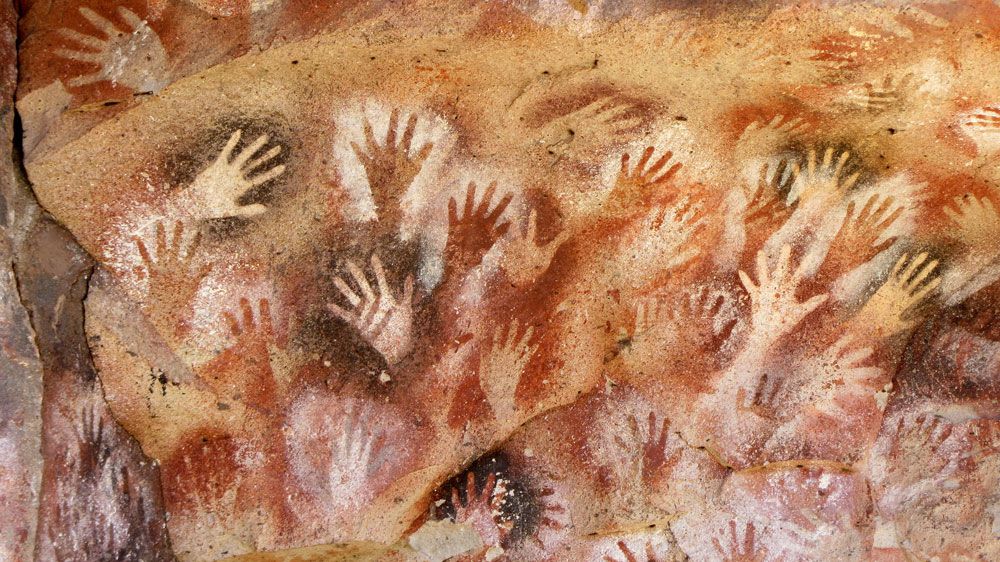
Das Wort für Kunst bedeutet in den meisten Sprachen nur etwas, das ein Mensch selbst gemacht hat, was nicht von Gott geschaffen wurde. Die ersten Spuren von Kunst finden sich, wie wir alle wissen, in Höhlen – den Häusern der prähistorischen Menschen. Unsere Vorfahren liebten es, überall Kunst zu produzieren. Sie zeichneten, sangen, erzählten Geschichten. Sind wir uns sicher, was ihr endgültiges Ziel war?
Jedenfalls ist das niemand.
Wahrscheinlich wollten sie einfach nur ihre Abdrücke hinterlassen. Manche hinterließen ihre Handabdrücke ganz wörtlich an den Wänden ihrer Höhlen. Wir nennen das auch Kunst. Mehr noch, heute machen wir genau das Gleiche – kritzeln auf unsere virtuellen Wände, egal was und wie.
Das scheint in gewissem Sinne die beste Definition von Kunst zu sein –
– ein Weg, um bemerkt zu werden, herauszustechen, zu bleiben, nachdem man schon lange weg ist. Alles andere sind nur die Qualifikationen und Paradigmen, die unser Verstand zu bauen gelernt hat. Doch die Natur verachtet die Leere. Genauso wie die virtuelle Realität.
Hast du jemals daran gedacht, dass naturfreundliche Materialien eine dunkle Seite haben?
Du bist ein guter Mensch. Du kümmerst dich um die Welt, du hast Mitgefühl mit den Armen. Wenn du morgens deinen Kaffee trinkst, denkst du immer an die Menschen, die hinter der Herstellung stehen, und dankst ihnen. Du weißt, dass Recycling wichtig ist, und du gehst sehr verantwortungsbewusst damit um.Du bist ein guter Mensch. Du kümmerst dich um die Welt, du hast Mitgefühl mit den Armen. Wenn du morgens deinen Kaffee trinkst, denkst du immer an die Menschen, die hinter der Herstellung stehen, und dankst ihnen. Du weißt, dass Recycling wichtig ist, und du gehst sehr verantwortungsbewusst damit um.
Wahrscheinlich fährst du ein Elektro- oder Hybridauto, weil du auf diese Weise deinen Anteil zum Umweltschutz beitragen kannst. Wenn du auf deinem Handy oder Laptop über die nächste „Fridays for Future“-Demo liest, denkst du nicht einmal daran, dass sie ein gewisses Risiko für die Natur darstellen könnten. Du bist überzeugt, dass die Elektrogeräte, die du benutzt, umweltfreundlich sind.
Nun atme tief durch und denke noch einmal nach. Hast du schon mal daran gedacht, dass der Großteil deiner Benutzerelektronik aus Kunststoff hergestellt ist? Das wirft einen Schatten auf ihre angebliche Unschädlichkeit, nicht wahr? Hast du jemals für einen Moment über die Akkus deiner Geräte nachgedacht?
Außer der Tatsache, dass sie aus Lithium-Ionen bestehen, weißt du wahrscheinlich kaum etwas über sie. Obwohl du es nicht erwartet hättest, hat die Geschichte des Lithiums als eines der wichtigsten und natur-freundlichsten Metalle des 21. Jahrhunderts eine dunkle Seite.
Hergestellung von Lithium
Wie werden Lithium-Ionen-Batterien hergestellt?
Die weltweite Nachfrage nach Lithium nimmt ständig zu. Lithium kommt nicht nur in der Natur vor, da es hochreaktiv ist. Stattdessen kommt es als Bestandteil von Salzen oder anderen Verbindungen vor. Lithiumsalze sind in unterirdischen Lagerstätten von Ton, Mineralerz und Sole sowie in geothermischem Wasser und Meerwasser zu finden. Der größte Teil des Lithiums auf der Welt wird aus Bergwerken gewonnen.
Bereite dich darauf vor, Geschichten wie die der Gewinnung von Blutdiamanten und anderen Rohstoffen zu hören, die Bestandteil der schönen und kostbaren Dinge sind, die reiche Leute gerne haben. Stell dich auf Berichte über schlechte Arbeitsbedingungen, Hungerzwang, verseuchten Boden und Dürre ein.
Klingt das nicht umweltfreundlich? Leider ist das noch nicht alles. Der Abbau von Lithium hat einen noch größeren ökologischen Fußabdruck. Aufgrund der vielen Verarbeitungsschritte, die nötig sind, kann Lithium sehr schlecht für den Boden und das Grundwasser sein. Obwohl für die Lithiumproduktion selbst kein Trinkwasser benötigt wird, wird bei der Verarbeitung Salzwasser extrahiert. Eine Zufuhr von mehreren Tausend Litern Frischwasser ist dafür nötig: Grundwasser, das an anderer Stelle fehlt.
Was bedeutet das für die Natur?
In den Ländern, in denen Lithium abgebaut wird, kommt es zu einer zunehmenden Dürre
In den Ländern Südamerikas, in denen der größte Teil des Lithiums abgebaut wird, gibt es zunehmend Dürreperioden. Die Einheimischen beklagen, dass ihre Viehzucht bedroht ist und die Vegetation austrocknet. Dadurch wird eine Kettenreaktion ausgelöst: Armut, Hunger, Krankheiten. Auch der Klimawandel darf nicht vergessen werden.
Graphit, eine glitzernde Substanz, die vor allem für die Verwendung in Bleistiften bekannt ist, ist auch als Bestandteil von Lithium-Ionen-Batterien zu einer unverzichtbaren Ressource geworden. Genau wie bei den Diamanten kann die Gewinnung von Graphit schreckliche Folgen haben.
Einheimische sagen, dass alles rund um die Graphitminen schwarz und tot ist. Die Pflanzen wachsen nicht richtig. Wasser ist nicht trinkbar. Es ist schmutzig und schwarz. Nachts mutet die Verschmutzung überirdisch, fast märchenhaft an. Die Luft glitzert, sagt ein Bauer. Doch dies ist nicht der schöne und vielversprechende Glanz von Diamanten oder lebensspendendem Licht. Es ist der dumpfe Glanz der Zerstörung.
Der Preis für ein Menschenleben
Sklavenähnliche Arbeitsbedingungen in den Kobaltminen
Das Gleiche gilt für den Kobaltabbau, eine weitere Zutat für Batterien. Hier wird es dramatisch. Die Arbeitsbedingungen in Afrika, wo das meiste Kobalt gewonnen wird, sind tödlich. Die Arbeiter, einschließlich der Kinder, schuften wie Sklaven an den rauen und feindseligen Orten, an denen Kobalt abgebaut wird.
Menschen werden ausgebeutet, die Natur wird ausgebeutet. Niemand wagt es, sich zu beschweren, denn niemand würde es hören. Menschenrechte werden missbraucht, die Natur auch.
Faires Wohlbefinden?
Es gibt keine Werbespots für jene Akkus, mit denen dein Smartphone, Laptop oder Elektroauto betrieben wird — mit glücklichen, lächelnden Arbeitern. Das Lächeln eines freundlichen Mannes oder einer freundlichen Frau aus einem Reklamefilm könnte dich nicht davon überzeugen, dass in ihrem Leben alles gut ist und die Welt sich keine Sorgen um sie machen muss. Es wird nichts über ihre Lebensbedingungen gezeigt, weil das ein schreckliches Bild zeichnen würde.
Es gibt keine guten Lebensbedingungen
Es gibt in den Abbaugebieten Afrikas keine vermögenden Arbeiter, die in schönen Häusern wohnen und Bio-Lebensmittel im örtlichen Supermarkt kaufen. Sie ernähren sich auch nicht von den Früchten ihres eigenen Landes, weil ihre Ernte vernichtet ist.
Was man sehen könnte, wenn man tiefer und weiter blickte, wäre nur das schmutzige, schwarze, graphitmüde Gesicht eines armen Bauern, der nicht genug Zeit oder Geld hat, um sich auszuruhen, zu essen, wegzulaufen. Es tropft kein Blut aus seinem Körper wie im Film „Blood diamond“ mit Leonardo Di Caprio. Aber er wird trotzdem buchstäblich zur Ader gelassen. Sein Herz blutet.
Es gibt umweltfreundliche Wege, auch mit einem glänzenden neuen Handy.
Dies sind nur Teile der “schmutzigen”, unfreundlichen Fakten, die hinter einer vermeintlich sauberen, umweltfreundlichen Technologie stehen. Es gibt einen Weg, das alles zu ändern. Es gibt Lösungen, die sich mit Recycling und Nachhaltigkeit auseinandersetzen. Sie können nicht das ganze Bild ändern, aber sie werden vermutlich die ein oder andere Träne wegwischen.
Wenn Tausende von uns bereit zu Veränderungen sind, gibt es einen Hoffnungsschimmer.






 Tradevarium